

Filters
Show Filters
(50 Results)
$20.17 off RRP of $269.00
$28.57 off RRP of $381.00
$5.25 off RRP of $70.00
$10.57 off RRP of $141.00
$9.07 off RRP of $121.00
$13.27 off RRP of $177.00
$6.60 off RRP of $88.00
$9.52 off RRP of $127.00

$39.82 off RRP of $531.00
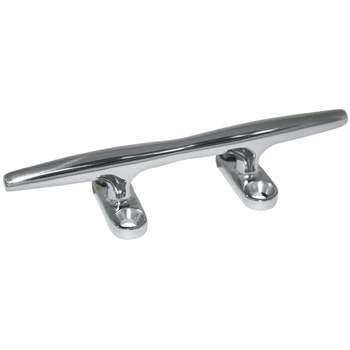
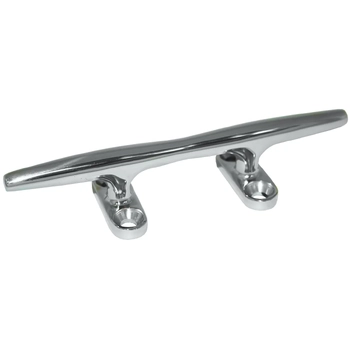
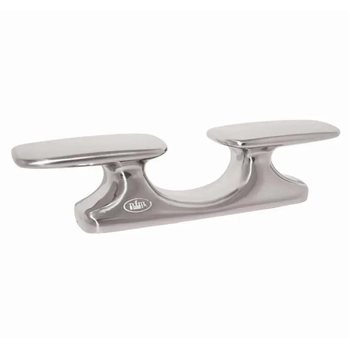
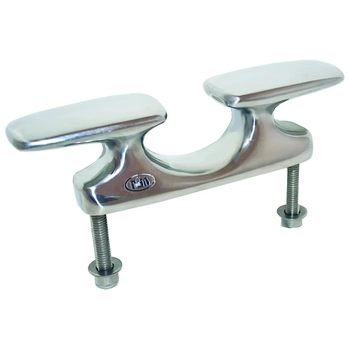
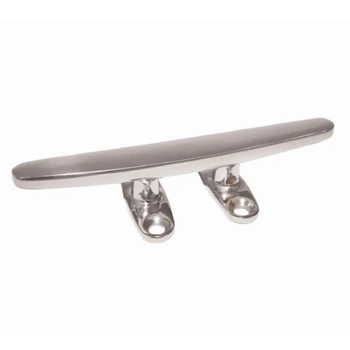
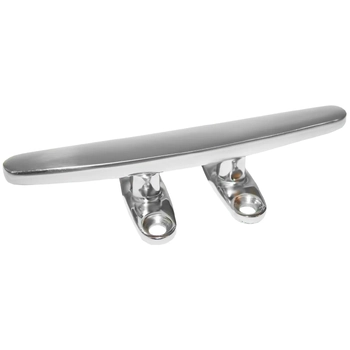
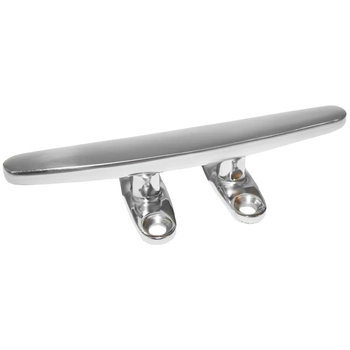
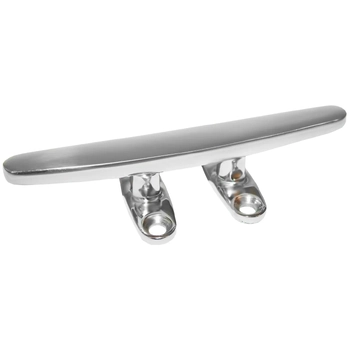
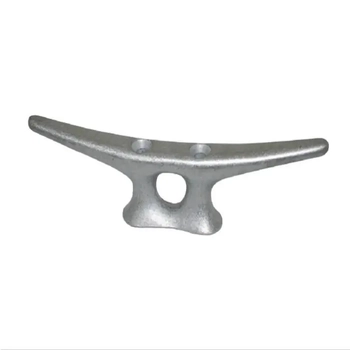
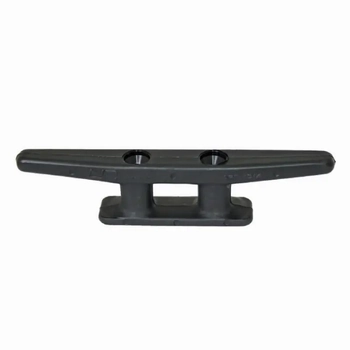
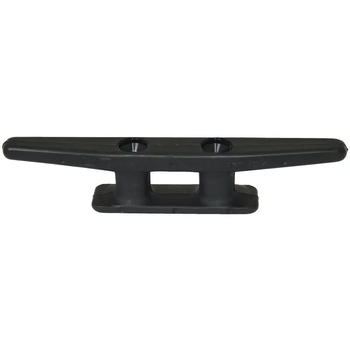
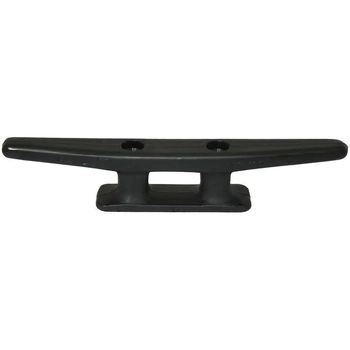
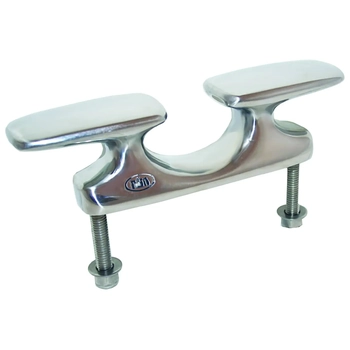
Cleats are one of the most fundamental pieces of hardware on any vessel they're the fixed points your dock lines, mooring lines and sheets are tied to when alongside or at rest. Choosing the right material and size for your application depends on the line diameter you're using, the load the cleat will see and the environment it'll live in. This range covers horn cleats, jam cleats and cam cleats in stainless steel, anodised aluminium and glass-filled nylon for marine use.
Cleat Materials Compared
316 stainless steel is the standard choice for permanent installations in salt water. It resists corrosion well in marine environments, looks clean on a varnished or gelcoat deck, and handles sustained load without distortion. Anodised aluminium cleats are lighter and often used on racing yachts and weight-sensitive applications where reducing topside weight matters. Glass-filled nylon cleats are affordable and corrosion-proof, and suit lighter-load applications like securing fenders, flag halyards or light dock lines on smaller boats.
Planning around marine cleats? The Mooring Buoy Buying Guide covers buoy type, visibility, setup and local mooring considerations in more detail.
For any through-bolted fitting in a salt water environment, the fasteners matter as much as the cleat itself use A4 (marine-grade 316) stainless bolts and backing plates rather than zinc-plated or A2 hardware, which will corrode and fail over time.
Cleat Sizing Guide
Cleat length should be matched to the line diameter you plan to use. As a general guide, a cleat length of roughly 16 times the line diameter is commonly cited so a 6mm dock line pairs with approximately a 100mm cleat, and a 10mm mooring line suits a cleat of around 160mm. Undersized cleats can allow line to ride up and slip off under tension, particularly in surge conditions at a marina berth.
For complete dock line and mooring setups, browse our mooring dock lines range, or visit the full mooring and docking equipment category for snubbers, buoys, fairleads and boat hooks.
Mounting and Installation Notes
Through-bolting is strongly preferred over self-tapping screws for any cleat that will see significant load. A proper backing plate spreads the load across the deck laminate and prevents pull-through under surge, particularly on fibreglass hulls where concentrated point loads can delaminate the surface. Self-tapping screws may be adequate for very light-duty applications like fender cleats, but should never be used for primary dock line or mooring cleats.
If you're fitting out or upgrading deck hardware and need cleats for a hardware-fitting context rather than a mooring context, see the deck hardware cleats range, which covers installation-focused options.
Marine Cleats FAQ
What size cleat do I need for my dock lines?
A cleat length of roughly 16 times the line diameter is a commonly cited starting guide so a 6mm line suits approximately a 100mm cleat and a 10mm line suits around 160mm. The right size also depends on the load and how the line is used, so check the manufacturer's load rating where available.
Are stainless steel cleats worth it over nylon?
For permanent installations in salt water carrying significant load mooring cleats, primary dock line cleats 316 stainless is the right choice. It handles sustained load, looks good long term and doesn't degrade under UV. Nylon suits lighter applications like fender attachment points or flag halyards on smaller boats where load is minimal.
What is the difference between a horn cleat and a jam cleat?
A horn cleat is the traditional fixed-horn style used for mooring lines and dock lines line is secured with a figure-eight pattern around the horns. A jam cleat or cam cleat grips the line automatically when loaded and releases quickly with an upward pull used for sheets and control lines on sailboats rather than for mooring.
Do cleats need backing plates?
Through-bolted cleats should always have a backing plate on any fibreglass, aluminium or timber deck that will see significant load. Backing plates spread the pull-through force across a larger area and prevent deck delamination or fastener pull-out in surge conditions. Self-tapping fixings are not suitable for primary mooring or dock line cleats.
read more