

Sand Anchors
Filters
FILTERS
Material
Anchor Weight
Price
Filters
Show Filters
(24 Results)
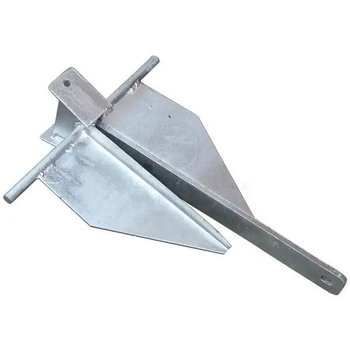
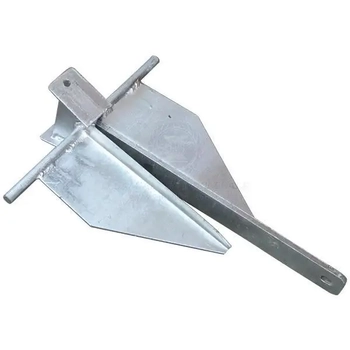
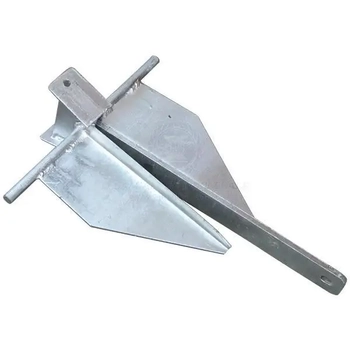
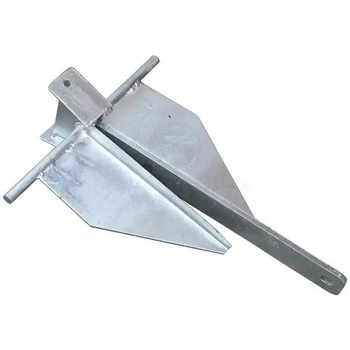
$14.82 off RRP of $296.45
$21.47 off RRP of $429.45
$25.72 off RRP of $514.45
$18.90
$23.90
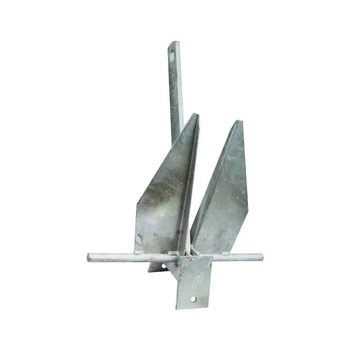
$35.90
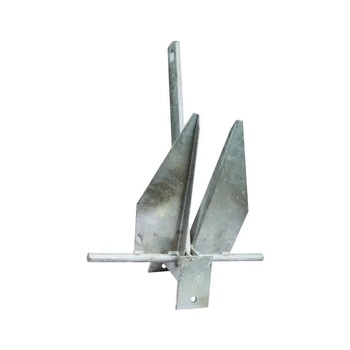
$47.90
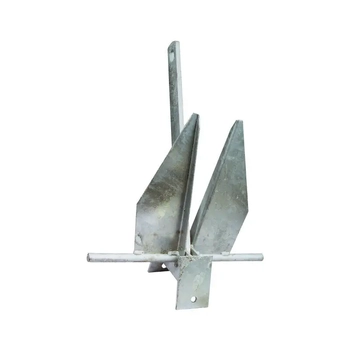
$52.16 $54.90
$2.74 off RRP of $54.90
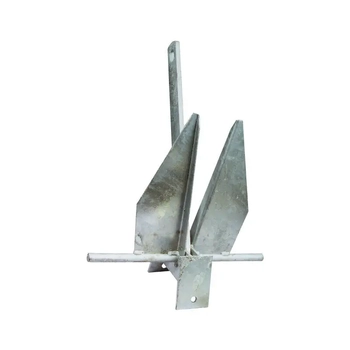
$67.36 $70.90
$3.54 off RRP of $70.90
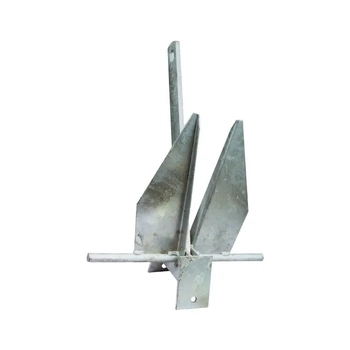
$86.36 $90.90
$4.54 off RRP of $90.90
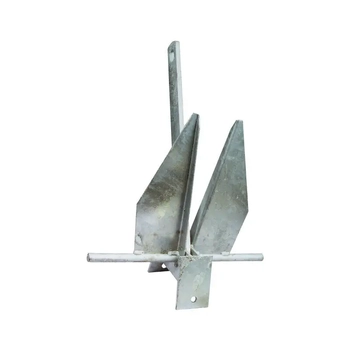
$113.91 $119.90
$5.99 off RRP of $119.90
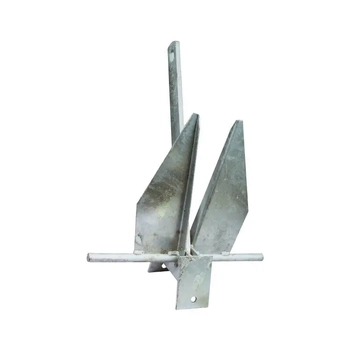
$142.41 $149.90
$7.49 off RRP of $149.90
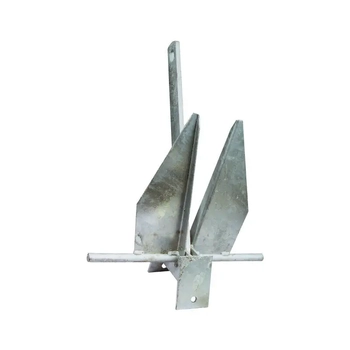
$189.91 $199.90
$9.99 off RRP of $199.90
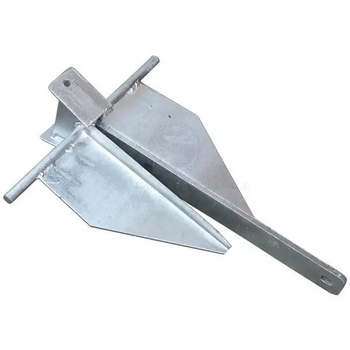
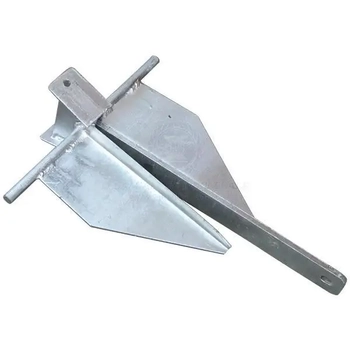
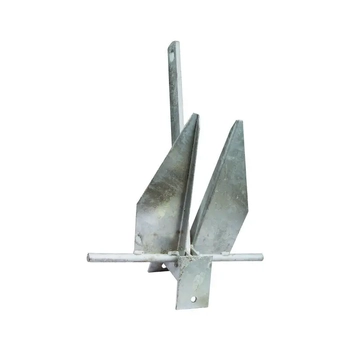
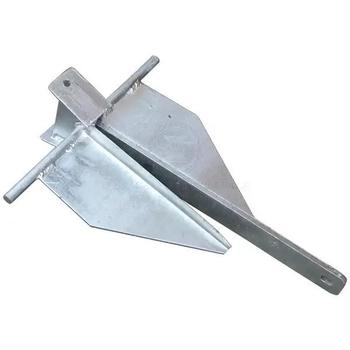
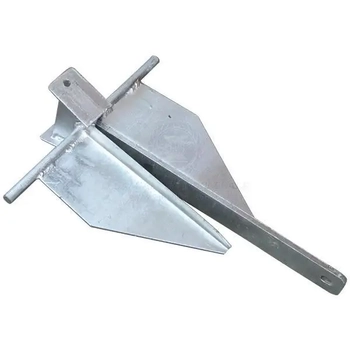
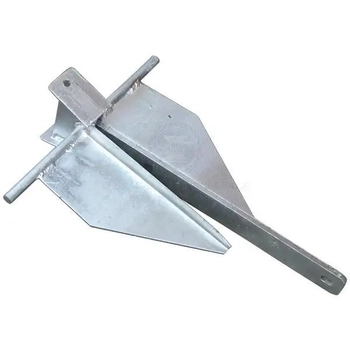
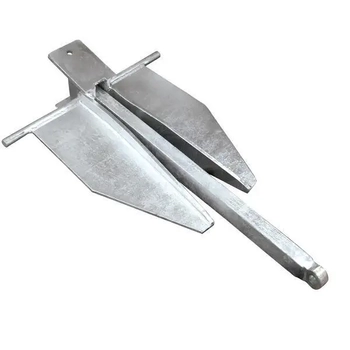
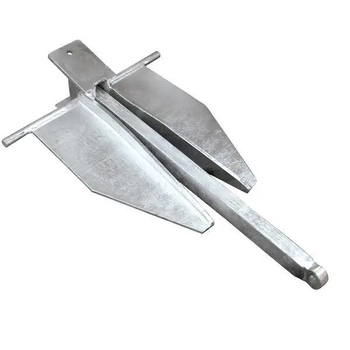
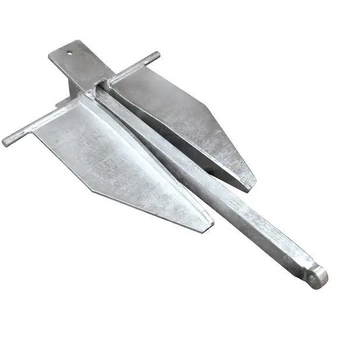
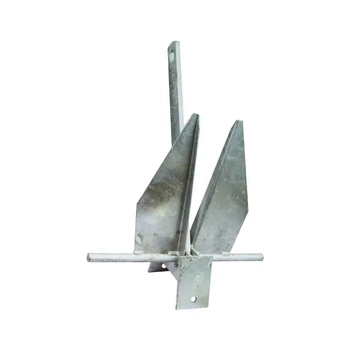
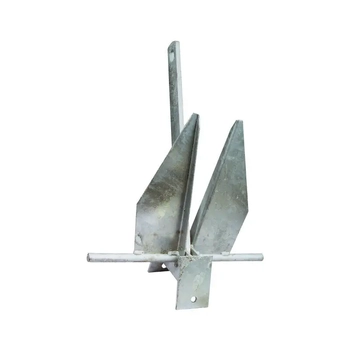
Sand anchors are designed for anchoring in sand and soft seabeds, making them relevant for beach days, sheltered bays and many trailer-boat cruising spots. They should be selected by boat size, anchor weight, rode setup, expected conditions and the type of bottom where the boat will sit. No anchor can be guaranteed in every situation, so it is important to compare product specifications, use suitable scope and inspect the anchor, rope, chain and fittings before relying on the setup.
Choosing a sand anchor
A sand anchor should suit the vessel, anchoring depth and the seabed where it will be used. Consider anchor weight, fluke shape, storage space and whether the anchor will be handled by hand or through a bow roller. For mixed seabeds, compare sand anchors with plough or delta-style options before deciding.
Rope, chain and handling
The anchor needs the right rode to work effectively. Check rope size, chain length, shackles and how the anchor will be retrieved. If the boat uses a winch or windlass, confirm compatibility with the manufacturer specifications.
Using anchors carefully
Good anchoring depends on scope, seabed, wind, current and vessel movement. Sand anchors can be useful in suitable conditions, but regular checks, careful setting and suitable supporting hardware remain important.
Related categories to consider
Before you buy
Check product specifications, measurements, material details and manufacturer guidance before purchase. Suitability can depend on the vessel setup, mounting location, conditions and how the gear will be used.
Frequently Asked Questions
What is a sand anchor used for?
A sand anchor is used for anchoring in sand and softer seabeds where its shape suits the bottom and vessel setup.
Can I use a sand anchor on any seabed?
No. Suitability depends on seabed type, vessel size, rode, scope and conditions. Compare anchor styles if you use mixed bottoms.
What gear should I use with a sand anchor?
Check suitable anchor rope, chain, shackles and storage arrangements, then follow product specifications and anchoring guidance.
read more