
$48.95
$48.95
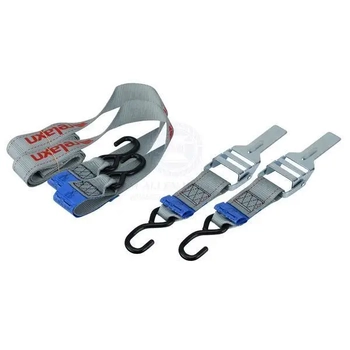
$48.17 $50.70
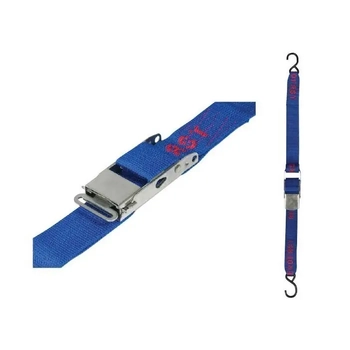
$48.90
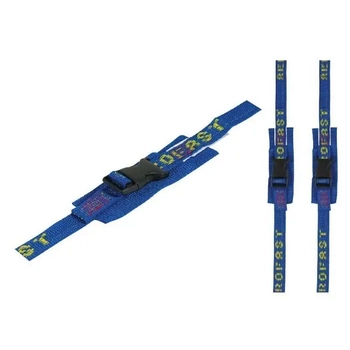
$32.90
Trailer tie down straps are used for securing boats, covers and trailer gear when towing or storing equipment. Strap choice should be based on the job, attachment points, strap length and buckle or ratchet style. Because towing conditions vary, check product ratings, inspect webbing condition and make sure hooks or buckles suit your trailer before purchase. A good selection process looks at the whole trailer setup rather than choosing a strap by length alone, especially when the same trailer is used for different ramp, storage or travel situations.
Look at strap length, webbing width, hook shape, buckle style and whether the strap will run clear of sharp edges. Ratchet straps can help tension a load, while buckle straps may suit lighter securing tasks. Always check product specifications and avoid assuming a strap is suitable just because it looks similar to an existing one. The attachment point on the trailer and the receiving point on the boat both need to suit the hook or lug being used.
When you are narrowing down trailer tie down straps, the Trailer Tie-Down Strap Guide gives a practical overview of tie-down style, attachment points and towing setup considerations.
For a broader securing setup, compare the parent boat trailer tie downs, hardware such as trailer ratchet buckles, stern-specific transom tie down straps and wider boat trailer parts. Keeping the trailer, boat and strap condition checked together helps reduce rushed decisions at the ramp.
Compare the strap path, hardware access and the way the strap will sit against the boat or trailer. Webbing should run cleanly without rubbing on rough edges, and hooks should suit the chosen tie-down point. If using straps for covers or general equipment, check that the design is appropriate for that task and not only for boat restraint. If the trailer has non-standard tie-down points, measure the lug and attachment area before ordering to confirm hook compatibility.
Tie down straps should be checked before use and stored so they are not left tangled, wet or dragged across rough ground. Look for cuts, hardening, faded fibres, bent hooks and ratchets that do not operate smoothly. Replace worn parts rather than relying on damaged webbing for towing or storage tasks. Consistent storage and post-ramp rinsing can help extend the working life of webbing, buckles and metal fittings.
Tie down straps should complement the trailer frame, winch post, bow support and stern support rather than compensating for poor trailer fit. If the boat shifts on the trailer, check the trailer setup and restraint points as well as the strap itself. Related items such as ratchet buckles, transom straps and general trailer parts can all influence how a towing setup is maintained over repeated launches and long-distance trips.
Customers often focus on strap length and forget about hook clearance, buckle access and whether the webbing can dry properly after ramp use. If a strap runs over a rough trailer edge, consider whether another attachment point or protective approach is more suitable. Always follow product information and relevant towing requirements. Straps that seem adequate on a short local trip may behave differently on a longer highway haul where vibration and load movement increase.
Trailer tie down straps may be used around boats, covers and loose gear, but the correct strap depends on the purpose. A strap used to bundle gear is not automatically suitable for towing restraint. Match the strap to the task, attachment points and manufacturer guidance, then check it after saltwater or extended outdoor exposure.
If one strap is worn, check the other straps used on the same trailer. Replacing similar-age parts together can make future inspections easier and keeps the securing setup consistent. Check hooks, buckles and webbing against product information before deciding what to order, and keep a spare strap available for ramp or roadside situations where a strap unexpectedly fails inspection.
After use, remove sand and salt where practical and avoid storing straps while wet or tightly tangled. Smooth webbing, working hardware and clear rating information make it easier to decide whether a strap is still appropriate for the job. A strap that looks intact but has been repeatedly overloaded, submerged or abraded against sharp edges may not perform as expected during towing, so rating information and physical condition should both be considered during each inspection.
They are used to help secure boats, covers or trailer gear, depending on the strap design, product rating and attachment points.
Ratchet straps can provide controlled tension, while buckle styles may suit lighter tasks. Check product specifications and intended use.
Measure the path between tie-down points and allow for the buckle or ratchet position without letting excess strap interfere with towing.
Worn, cut or badly faded webbing should be treated cautiously and replaced where required.
Review length, hook type, buckle style, rating information, webbing condition and trailer attachment points.
ABN: 99 423 721 756