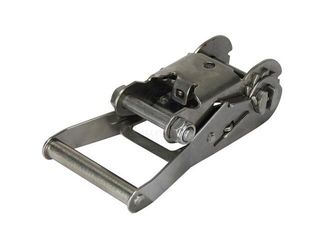

$72.77 $76.60
$3.83 off RRP of $76.60
$72.77 $76.60
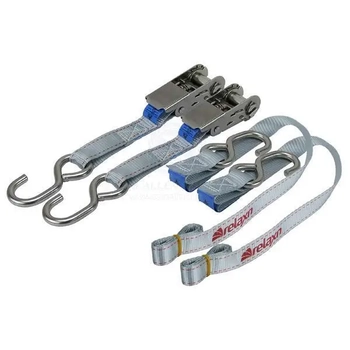
$81.51 $85.80
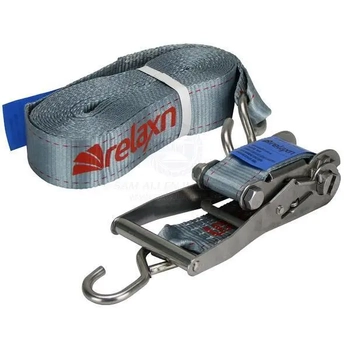
$142.26 $149.75
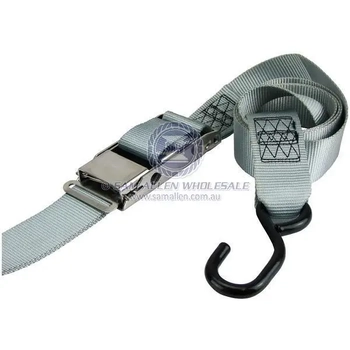
$60.52 $63.70

$48.95
$95.90 $100.95
$51.45

$89.73 $94.45
$114.86 $120.90
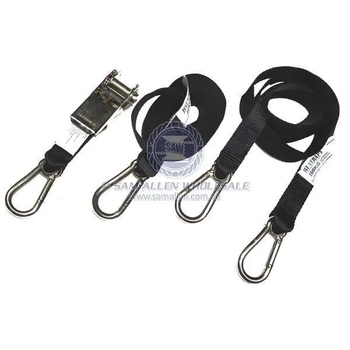
$104.26 $109.75
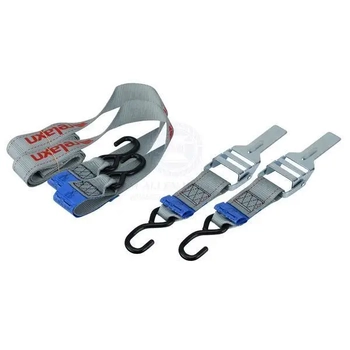
$48.17 $50.70
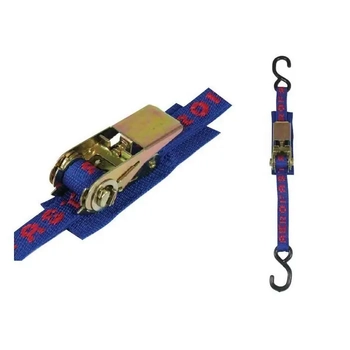
$26.90
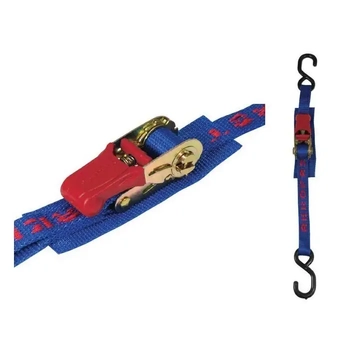
$36.90
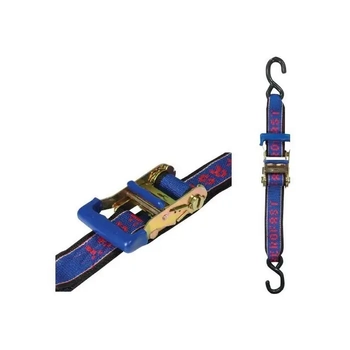
$72.11 $75.90
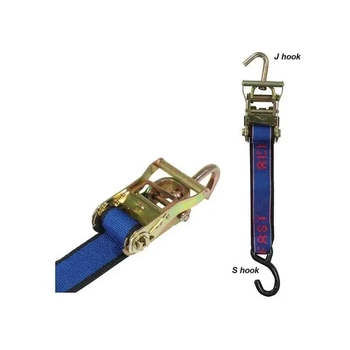
$76.86 $80.90
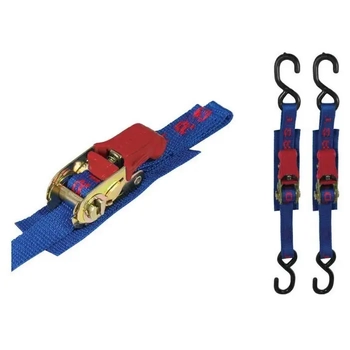
$78.76 $82.90
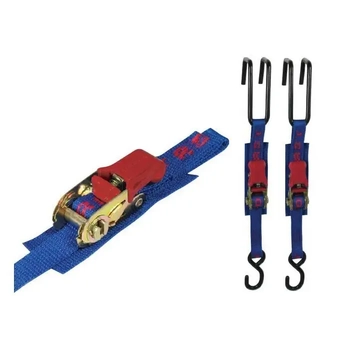
$82.56 $86.90
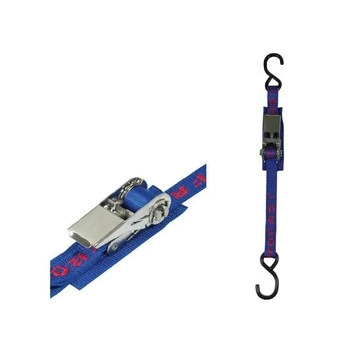
$60.71 $63.90
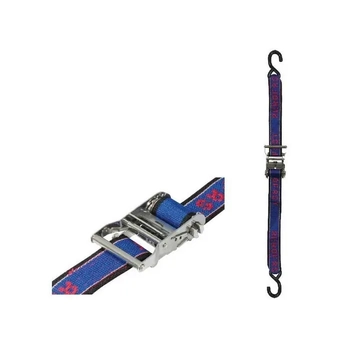
$161.41 $169.90
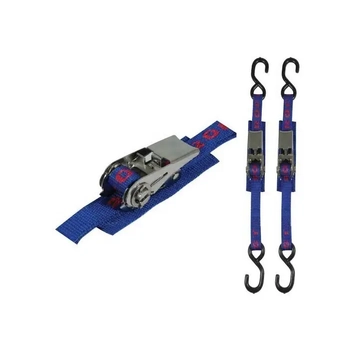
$113.91 $119.90
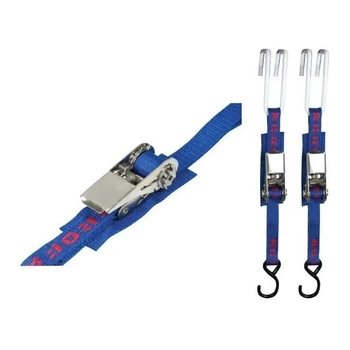
$132.91 $139.90
$48.90
$64.51 $67.90
$32.90
$41.90
$37.90
$29.90
$56.43 $59.40
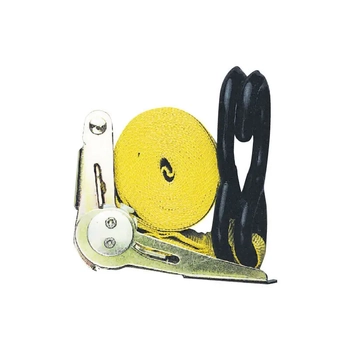
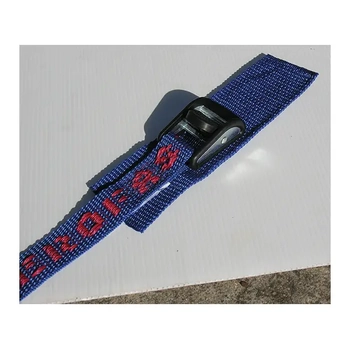
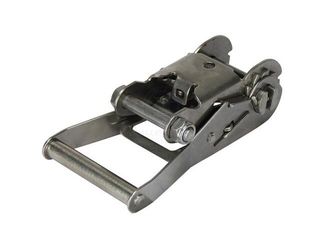
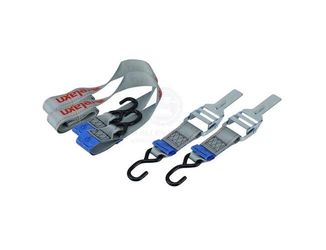
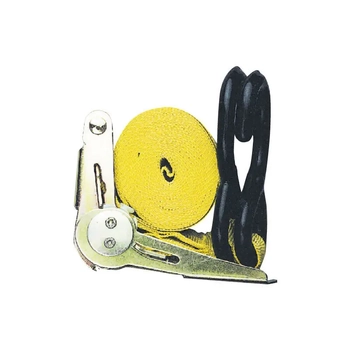
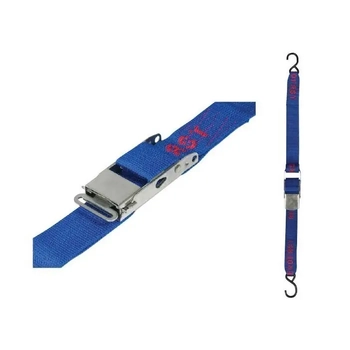
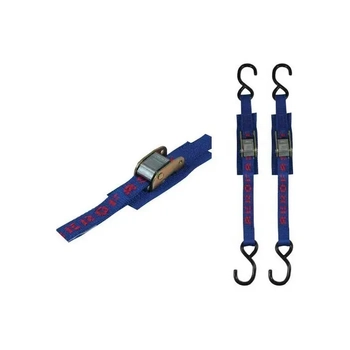
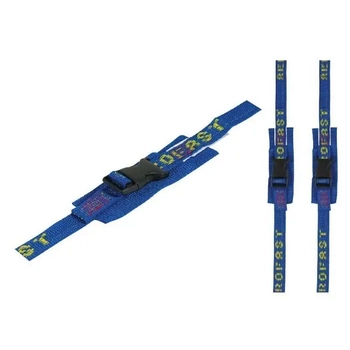
Boat trailer tie downs help secure a boat to the trailer for towing, storage and ramp preparation. The right setup depends on the boat, trailer frame, tie-down points and the way the boat sits on its supports. Check strap length, hook style, buckle or ratchet type and product ratings before purchase, then inspect webbing and fittings regularly for wear from salt, sun and road use. A considered tie-down setup can make pre-trip checks more organised without replacing the need to follow towing requirements and product instructions.
Start with where the tie downs will attach and how the load path sits between the boat and trailer. Transom straps, bow restraints and general-purpose straps all have different roles, so check product specifications rather than assuming one strap suits every trailer. Consider webbing width, hardware material, hook style and whether the buckle or ratchet can be reached easily without rubbing against the hull or trailer frame. If replacing old straps, compare the existing hardware before ordering to avoid hook or lug mismatches at the tie-down point.
Before you settle on boat trailer tie downs, the Trailer Tie-Down Strap Guide can help you review tie-down style, attachment points and towing setup considerations.
Tie downs work alongside the wider trailer setup. If you are refreshing towing gear, it is sensible to review related boat trailer parts, dedicated trailer tie down straps, hull support from boat trailer rollers and electrical checks such as trailer plugs and sockets. Requirements and restraint expectations can vary, so check relevant towing guidance and product information before use.
Before choosing tie downs, inspect the trailer eye points, transom area and bow support to understand where restraint is actually needed. A longer strap may not be better if excess webbing is hard to manage, while a short strap may not reach a suitable attachment point. Look for hardware that can be positioned without twisting webbing, pressing against sharp edges or covering lights and number plates. A strap that is awkward to reach or tension at the ramp creates unnecessary delay during launch and retrieval.
Webbing material, buckle construction and hook coating can all affect how tie downs hold up over time in a marine environment. Stainless or coated fittings may resist salt better than bare metal, but no finish removes the need for regular rinsing and inspection. Consider how easy it is to release a buckle or ratchet when the webbing is wet or your hands are cold at the ramp. Practical hardware operation matters as much as rated capacity on the specification sheet.
Saltwater use, UV and road grime can shorten the working life of webbing and metal hardware. Replace straps that show cuts, fraying, damaged stitching or corroded fittings. Store straps dry where possible and check the ratchet or buckle action before relying on it for a trip. If a strap has been submerged at a ramp or left in standing water, inspect it more carefully before the next use to confirm webbing and stitching remain sound.
Boat trailer tie downs are often used at the transom, bow or trailer frame depending on the restraint point and trailer layout. They may also be part of a broader check before long-distance towing, storage or moving between ramps. Consider how straps sit when the suspension moves and whether the hardware can be reached without climbing over wet or unstable surfaces. Planning the strap path before fitting reduces the chance of webbing rubbing against rough trailer edges during transport.
Australian trailer boats can see saltwater ramps, rough roads, UV exposure and extended storage. These conditions make it important to check corrosion, stitching and tensioning parts regularly. Product ratings, webbing condition and correct use matter, and towing requirements can vary, so use product details and relevant local guidance rather than assumptions. For any uncertainty about towing load or legal requirements, check the applicable road rules or consult a qualified trailer repairer.
Make tie downs part of a simple pre-tow routine. Check that the boat is sitting correctly on its supports, the straps are not twisted, and the fastening points are suitable for the strap hardware. After launching or retrieving in saltwater, rinse and dry parts where practical so fittings and webbing are easier to inspect next time. A quick post-ramp rinse takes little effort and helps extend the service life of webbing, buckles and hooks.
Choose straps that are easy to inspect and operate, not just straps that look strong. Clear labelling, accessible hardware and sensible strap routing make routine checks easier. If product ratings or dimensions are not suitable for the boat and trailer, choose another option before relying on a strap that may not match the application.
Choose tie downs based on the boat, trailer attachment points, strap length, hook style and product rating. Check specifications and towing requirements before use.
Yes. Transom tie downs are commonly used at the stern, while general straps can suit other securing tasks depending on the setup and product specifications.
It is sensible to check webbing, hooks, stitching and buckles for wear, salt damage or fraying before towing.
No. Suitability depends on trailer layout, attachment points, boat size and intended use. Confirm fitment before purchase.
Rollers, plugs, sockets, lights and attachment points are worth checking as part of a broader trailer setup.
ABN: 99 423 721 756