
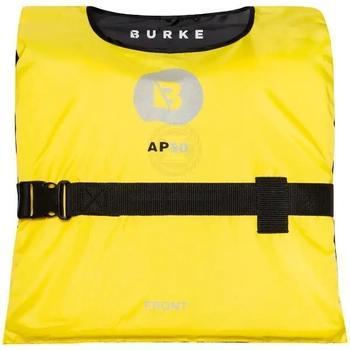
PFD Level 50
Filters
FILTERS
Brand
Price
Filters
Show Filters
(8 Results)

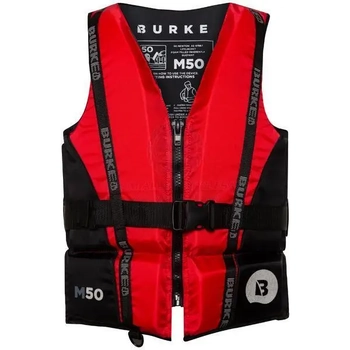
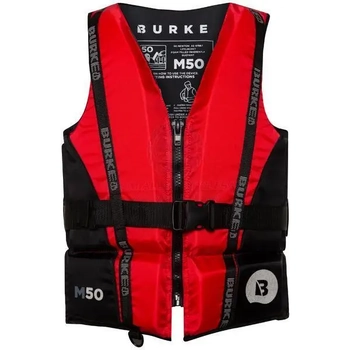
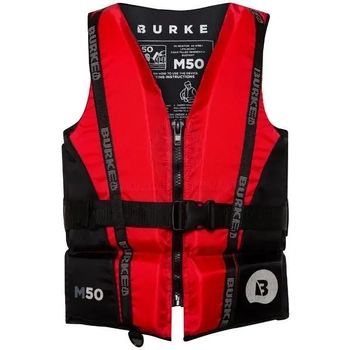
$4.45 off RRP of $89.00
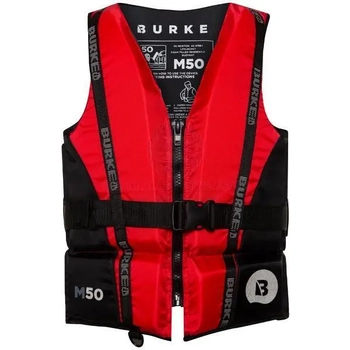
$4.45 off RRP of $89.00
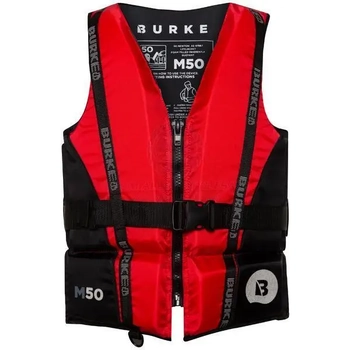
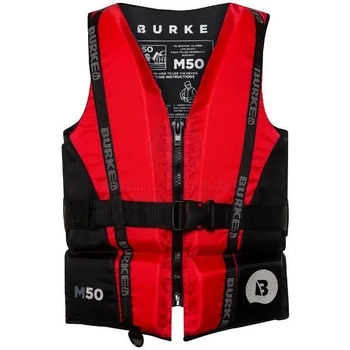
PFD Level 50 lifejackets are commonly considered for selected sheltered-water boating, paddling and watersport activities where this flotation level is appropriate. This category helps you compare options by wearer size, comfort, visibility and intended use without assuming one product suits every person or waterway. Check each product's label, size guide and specifications, and confirm current local requirements before choosing. For families, crews and regular boaters, the right PFD should be practical to wear, easy to adjust and suitable for the activity, vessel type and conditions you expect to encounter.
What PFD Level 50 Means
PFD Level 50 indicates a minimum buoyancy of 50 Newtons and is associated with lower-buoyancy flotation options. It is generally considered for sheltered, supervised or close-to-shore activities where the wearer can self-rescue or is in calm, accessible water. It is not suitable for offshore, open-water or high-risk conditions for those situations, higher-buoyancy categories such as PFD Level 100 options are typically more appropriate.
Australian requirements for lifejacket type and level can vary by state, territory, vessel type, waterway and activity. The product label and current local safety guidance should be checked before purchase do not rely on the category name alone to confirm suitability. Browse the full lifejackets and PFDs range to compare all available flotation levels.
Choosing Fit and Size
A PFD that does not fit correctly provides less protection than one that is properly adjusted to the wearer. Check the product size guide against the wearer's chest measurement and weight, and follow the manufacturer's fitting instructions for straps and closures. A loose PFD can ride up in the water; one that is too tight will be uncomfortable and may not be worn when it should be.
For children, use a PFD specifically designed and rated for the child's weight range adult PFDs are not appropriate for children. If buying for a mixed group of adults and children, compare sizes and check each product individually.
Activity Suitability and Conditions
PFD Level 50 products may be suited to activities like paddling, dinghy sailing, kayaking or sheltered-water recreation where conditions are predictable and assistance is nearby. They are not designed for conditions where the wearer may need to be turned face-up in the water or where extended time in the water is possible. Think about the worst-case scenario for the activity, not only the typical conditions.
Related PFD Type 2 lifejackets represent older terminology for a similar category. Check product labels and current local requirements rather than assuming older and newer classifications are directly equivalent.
Care, Inspection and Maintenance
Inspect PFDs before each trip. Look for damage to straps, buckles, fabric and closures. For inflatable models, check the arming mechanism and CO2 cylinder condition against the manufacturer's service schedule. A PFD that has been stored compressed, in direct sun or in a damp location may have degraded more quickly than expected. Replace any PFD that is damaged, heavily worn or has exceeded its service life. For broader safety gear including signalling and emergency equipment, browse boating safety equipment.
PFD Level 50 FAQ
What is a PFD Level 50 used for?
PFD Level 50 is commonly considered for sheltered-water activities such as paddling, dinghy sailing and near-shore recreation where conditions are calm and assistance is accessible. It is not suited to offshore, open-water or high-risk boating check the product label and current local requirements to confirm appropriate use for your activity and waterway.
How do I choose the right size PFD Level 50?
Use the wearer's chest measurement and weight range against the product size guide. Follow the manufacturer's fitting instructions so straps and closures can be adjusted snugly. The PFD should fit securely without restricting movement, and should not ride up over the face when tested. Do not use an adult PFD for children use one specifically rated for the child's weight range.
What is the difference between PFD Level 50 and PFD Level 100?
PFD Level 100 provides a higher minimum buoyancy of 100 Newtons and is generally suited to a wider range of boating conditions, including where the wearer may need to be turned face-up in the water. PFD Level 50 is a lower-buoyancy option typically suited to supervised or sheltered-water activities. Check current local requirements for your specific waterway and activity to confirm which level is appropriate.
Can children use PFD Level 50 lifejackets?
Only if the product is specifically designed and rated for the child's weight range. Adult PFDs are not suitable for children. Check the size guide and product specifications for each child individually, and confirm current local requirements for the activity and waterway where the PFD will be used.
What should I check before buying a PFD Level 50?
Check the wearer size and weight range, the product label and flotation level, the intended activity and waterway, and current state or territory marine safety requirements. Inspect any existing PFDs for condition and service requirements before deciding whether replacement is needed. Requirements can vary by location, vessel type and activity.
read more