

Filters
FILTERS
Type
Brand
Price
Filters
Show Filters
(160 Results)
$4.44 off RRP of $88.75
$62.04 $65.30
$3.26 off RRP of $65.30
$28.15
$25.58 off RRP of $511.60

$108.73 $114.45
$5.72 off RRP of $114.45
$121.74 $128.15
$6.41 off RRP of $128.15
$5.34 off RRP of $106.90
free shipping*
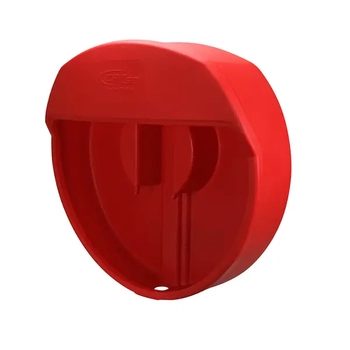
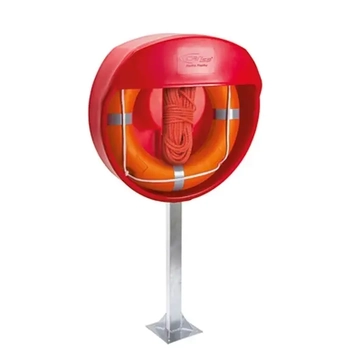
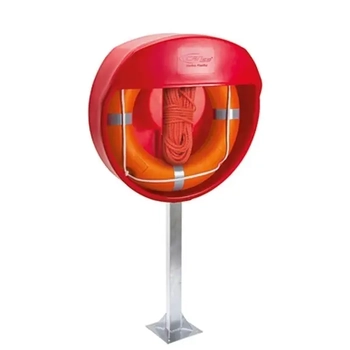
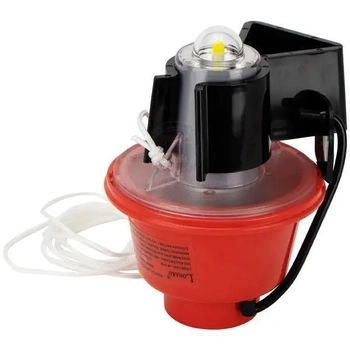
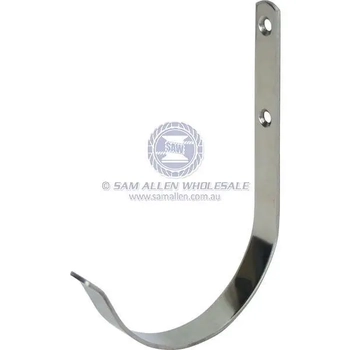
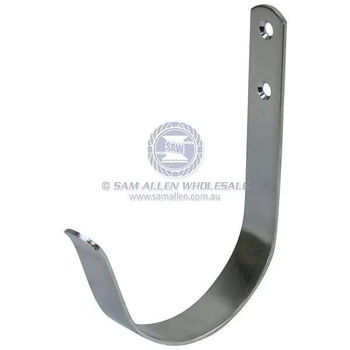
Can-SB Emergency Lifebuoy Holder
Can-SB Emergency Lifebuoy Holder
SAW-50132
$507.78 $534.50
$26.72 off RRP of $534.50
$398.43 $419.40
$20.97 off RRP of $419.40
$524.16 $551.75
$27.59 off RRP of $551.75
$34.26 off RRP of $685.15
$2.90 off RRP of $57.95
$37.70

$31.90
$149.10 $156.95
$7.85 off RRP of $156.95
free shipping*
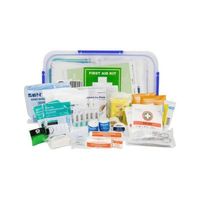
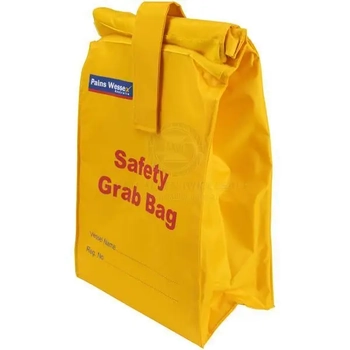
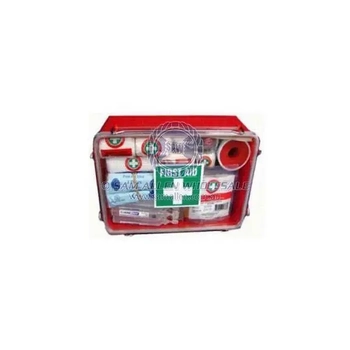
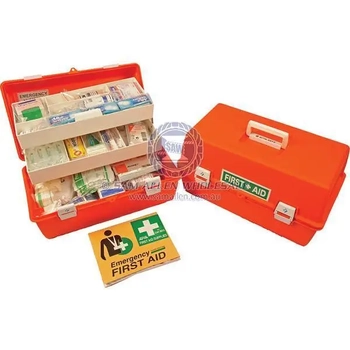
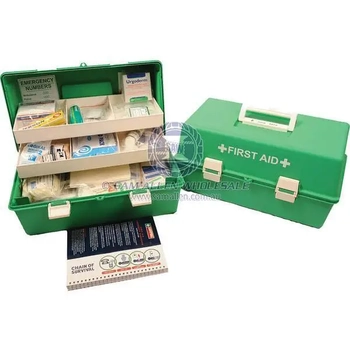
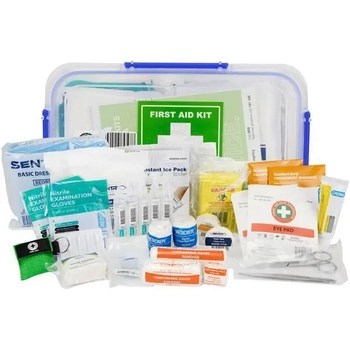
Marine First Aid Kit Scale F Boating Medical Box Survival Bag Travel
Marine First Aid Kit Scale F Boating Medical Box Survival Bag Travel
SAW-50249
$530.90
$332.50
$88.78 $93.45
$4.67 off RRP of $93.45


Planning your boating safety equipment
Safety equipment needs to be easy to find, simple to inspect and suitable for the type of boating you do. A small tender, offshore fishing boat and family cruiser can all need different combinations of signalling, recovery, flotation and emergency-support items. Review the boat layout first so frequently needed items are not buried under gear.
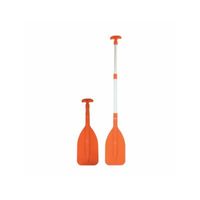
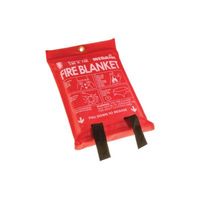
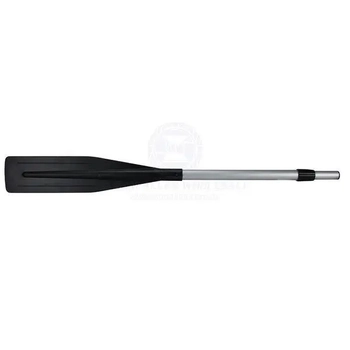
For personal flotation, compare the wider lifejackets and PFDs range and related lifejacket accessories. Emergency and signalling planning may also involve fire safety gear, EPIRBs and PLBs, tethers and harnesses or backup movement options such as boat oars.
- Choose equipment around boat size, operating area and crew access.
- Store emergency items where they can be reached quickly.
- Check expiry dates, battery condition and visible wear where relevant.
- Review state and local boating requirements separately before heading out.
For boats that travel further offshore or in more exposed conditions, a more thorough review of signalling, communication and emergency equipment is usually worthwhile. Review what you carry against the conditions you may encounter, not only the conditions you typically encounter, since emergency situations rarely occur on a normal day.
Boating Safety Equipment FAQs
What boating safety equipment should I carry?
Requirements vary by vessel, waterway and location, so check local rules and then organise the equipment so it is accessible.
How should safety gear be stored?
Store items in dry, visible and reachable positions, with frequently used gear separated from general storage.
Should I inspect safety equipment before every trip?
A quick pre-trip check helps identify flat batteries, damaged clips, missing parts or gear that has been moved.
read more