
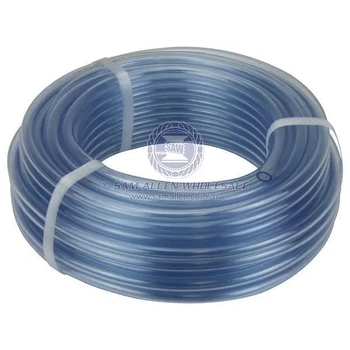
Marine Hose
Filters
Show Filters
(110 Results)
$35.95 off RRP of $719.00
$22.49 off RRP of $449.90
$62.61 $65.90
$3.29 off RRP of $65.90

$930.05 $979.00
$48.95 off RRP of $979.00
free shipping*
Hose Exhaust/Water 38Mm X 15M
Hose Exhaust/Water 38Mm X 15M
BLA-333302
$1,390.62 $1,419.00
$28.38 off RRP of $1,419.00
$29.78 off RRP of $1,489.00
$30.78 off RRP of $1,539.00
$35.98 off RRP of $1,799.00
$5.92 off RRP of $79.00
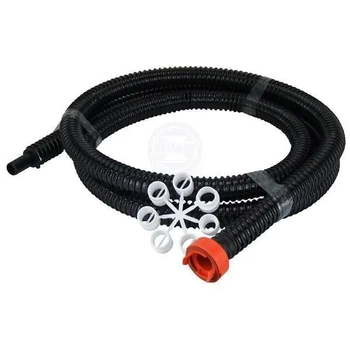
$4.29 off RRP of $85.80
Marine hose is used across many onboard systems freshwater, waste, selected fuel, air and pump plumbing but hose types are not interchangeable between applications. The right choice depends on what the hose will carry, internal diameter, flexibility, bend radius, wall construction, fitting compatibility and pressure or temperature exposure. This category helps boat owners compare hose options for suitable marine systems. Confirm compatibility with the intended application before purchase, especially for fuel, sanitation, heated or pressurised systems. If replacing hose in an older installation, check the existing markings and fitting sizes carefully before ordering.
Marine Hose for Different Onboard Systems
Marine hose is used throughout a boat's plumbing from freshwater delivery and waste outlet runs to selected engine-cooling, bilge and pump discharge applications. The most important rule is to choose hose for the specific application it will serve. Hose designed for potable freshwater may have different construction from sanitation hose; sanitation hose is different from fuel hose; and fuel hose is different again from ventilation or air systems. Mixing hose types between applications can create compatibility issues and is not recommended.
Related marine pumps and marine plumbing accessories should be reviewed alongside hose selection so the connections, port sizes and fittings all suit the system being built or repaired.
Choosing the Right Hose Type and Diameter
Start by identifying the application and measuring the internal diameter accurately do not estimate from the outside of the existing hose, as wall thickness varies between products. Check the bend radius rating against the space available for hose routing, and confirm that the hose construction suits any pressure, temperature or chemical exposure it will experience in that location.
Potable water, sanitation, fuel, ventilation and pump-discharge hose can have different inner liner materials, reinforcement and approvals. For sanitation and fuel applications specifically, the hose should be rated for that purpose by the manufacturer do not substitute a different hose type and assume it will perform the same role.
Fittings, Clamps and Routing
Hose needs to connect to fittings and pumps at the correct diameter and with compatible clamp types. Review plumbing fittings for compatible barbed, threaded or push-fit connections. Check that the clamp style suits the hose wall thickness and the fitting head diameter. For freshwater systems, hose should also suit the freshwater pump port size and tank outlet fittings.
Routing matters as much as diameter. Hose that passes through engine spaces, bilge areas, panel cutouts or tight lockers may need to be heat-resistant, flexible or protected from abrasion. Plan the full hose path before measuring length, so the order allows for routing changes, gradual curves and service clearance at each end.
Replacing Hose in an Existing System
When replacing hose on an older boat, check the printed markings on the existing hose for application type, inner diameter and any ratings before ordering. If markings are absent or unclear, measure the internal diameter carefully using the fitting head size as a reference, and confirm the new hose is suitable for the same application before purchase. Replace hose clamps and inspect fitting condition at the same time, as worn or corroded hardware is often found alongside hose that needs replacement.
For fuel, waste, heated water or pressurised systems, follow manufacturer instructions carefully and use a qualified installer where required. Avoid substituting hose types between applications unless specifications confirm the product is rated for the intended use.
- Measure internal diameter accurately do not guess from outside diameter.
- Match hose type to the specific application, not just the size.
- Check bend radius, fittings, clamp style and routing space before ordering.
- Follow product guidance and use a qualified installer for safety-critical applications.
Marine Hose FAQ
What is marine hose used for?
Marine hose is used in freshwater, waste, fuel, bilge discharge, ventilation and pump systems, depending on the hose type. Different hose types are designed for specific applications and are not interchangeable check the product specifications for the intended use.
How do I choose the right size marine hose?
Measure the internal diameter of the existing hose or fitting head accurately. Check bend radius, available routing space, wall thickness and whether the hose length allows for the full routing path with service clearance at each end.
Can the same hose be used for water, waste and fuel?
No, not unless the product is specifically rated for multiple applications. Potable water, sanitation, fuel and pump-discharge hose have different construction requirements. Always match hose type to the stated application from the manufacturer.
What should I check before replacing boat hose?
Check the printed markings and inner diameter of the old hose, the routing path, fitting and clamp condition, application type and whether the replacement suits the same system. Replace clamps and inspect fittings at the same time.
How do fittings and clamps affect marine hose selection?
Hose, fittings and clamps need to be compatible in diameter, material and fitting style. A hose that does not sit fully on the fitting barb, or a clamp that does not span the fitting bead correctly, can create unreliable connections. Check fitting head size, clamp type and hose wall thickness together before ordering.
read more