
Marine Masking Tape
Filters
Show Filters
(353 Results)
$46.25 $50.00
$3.75 off RRP of $50.00
$46.25 $50.00
$3.75 off RRP of $50.00
$4.12 off RRP of $55.00
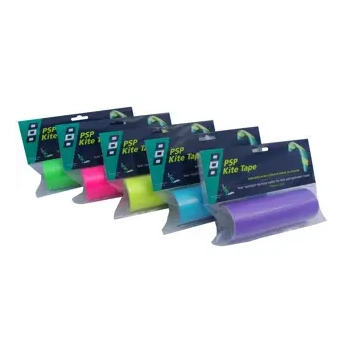
$4.12 off RRP of $55.00
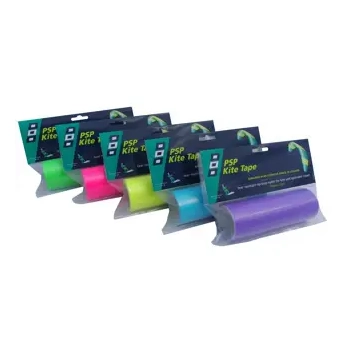
$4.12 off RRP of $55.00
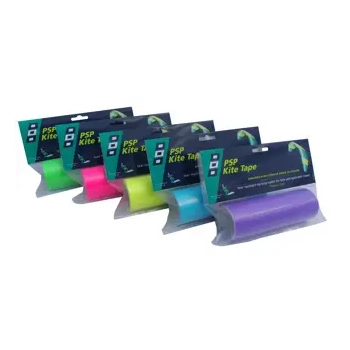
$4.12 off RRP of $55.00
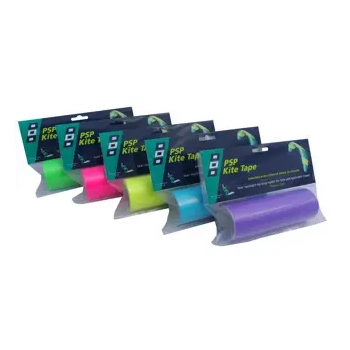
$4.12 off RRP of $55.00
$4.12 off RRP of $55.00
$4.12 off RRP of $55.00
$4.12 off RRP of $55.00

$4.12 off RRP of $55.00
$4.12 off RRP of $55.00
$4.12 off RRP of $55.00

$51.80 $56.00
$4.20 off RRP of $56.00
$51.80 $56.00
$4.20 off RRP of $56.00
$51.80 $56.00
$4.20 off RRP of $56.00
$54.58 $59.00
$4.42 off RRP of $59.00
$4.80 off RRP of $64.00
$4.80 off RRP of $64.00

$59.20 $64.00
$4.80 off RRP of $64.00
$59.20 $64.00
$4.80 off RRP of $64.00
$4.80 off RRP of $64.00
$5.02 off RRP of $67.00
$5.10 off RRP of $68.00
$5.10 off RRP of $68.00
$5.10 off RRP of $68.00
$5.10 off RRP of $68.00
$5.10 off RRP of $68.00
$5.10 off RRP of $68.00
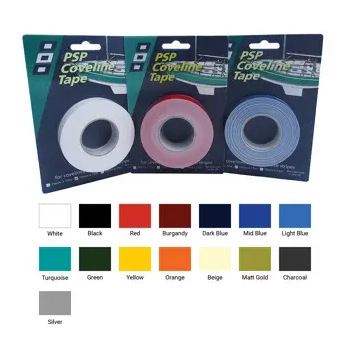
$5.10 off RRP of $68.00
Marine masking tape helps protect edges, fittings and trim during painting, polishing and repair preparation. The right tape depends on the surface, paint or coating system, adhesive type and removal timing. Check product directions before use, especially on delicate, aged or freshly coated surfaces. Good masking also depends on cleaning the area, pressing edges consistently and removing tape at the right stage of the job rather than leaving it in place too long during maintenance work or coating preparation projects.
Choosing marine masking tape
Select width and adhesion level based on the job, whether you are masking around hardware, creating a paint edge or protecting a nearby surface. Good surface preparation matters, but tape should not be expected to create a perfect paint edge or clean removal in every condition. Tapes with lower adhesion may be appropriate for delicate or freshly coated surfaces, while higher-adhesion options may suit rough or porous substrates where the tape needs to hold under spray or multiple coating layers.
Preparation for repair and finishing
Masking tape supports jobs involving fibreglass filler, surface prep with boat cleaning products, related non skid tape for boats and finishing work such as marine gelcoat. Remove tape according to product directions and the coating system being used.
Application technique
Press tape edges firmly and evenly to reduce the chance of paint bleeding underneath. On curved surfaces, apply tape in shorter sections rather than stretching a single length, as stretched tape can spring back slightly and break the seal at the edge. Check that the surface beneath is clean and dry, as dust, salt or moisture under the tape edge can disrupt adhesion and the mask line.
Removal and surface care
Remove tape at the recommended stage of the coating process, generally before the finish fully cures but after it has set enough to hold a clean edge. Removing tape too late can cause tearing or lifting of the new coating. Pull tape back at a low angle rather than pulling straight out, which can create tension that lifts the edge of the fresh paint or gelcoat alongside the tape.
FAQs
What is marine masking tape used for?
It is used to mask edges, fittings or trim during painting, polishing and repair preparation.
How do I choose masking tape for boat work?
Consider tape width, adhesion, surface type, coating system and recommended removal timing.
Can masking tape be used on gelcoat?
It may be suitable depending on the product and surface condition. Check product directions first.
Can masking tape create clean paint lines?
It can help with masking edges, but results depend on surface prep, tape type, coating system and removal timing.
What products are often used with masking tape?
Fibreglass filler, gelcoat, cleaning products and non-skid tape projects may involve masking.
read more