






Filters
FILTERS
Price
Filters
Show Filters
(44 Results)
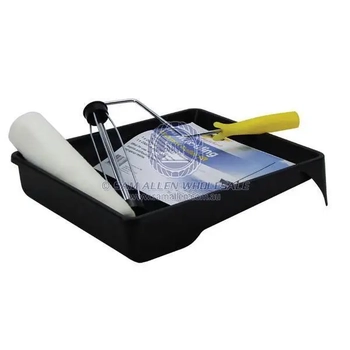
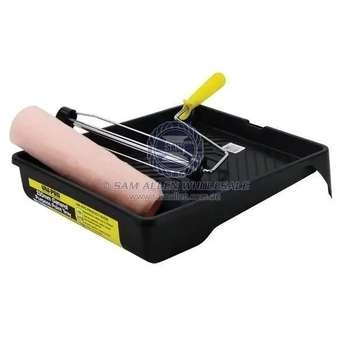

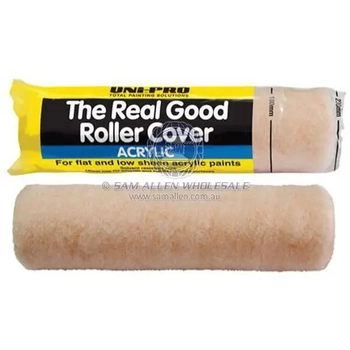
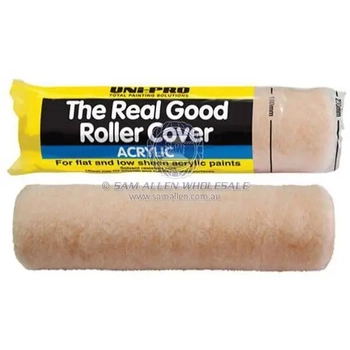
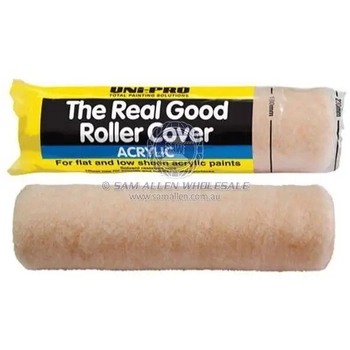
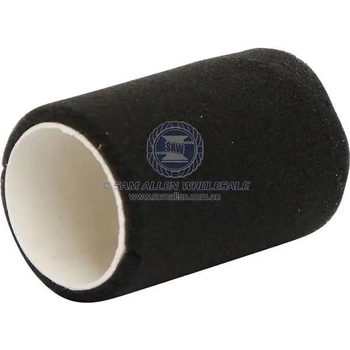


$64.51 $67.90
$3.39 off RRP of $67.90

$52.16 $54.90
$2.74 off RRP of $54.90
$52.16 $54.90
$2.74 off RRP of $54.90

$2.74 off RRP of $54.90
$2.74 off RRP of $54.90
Marine boat paint covers a wide range of coating jobs, from topside touch-ups and deck maintenance to hull refinishing and project preparation. Choosing the right product starts with the surface, existing coating, substrate, exposure and finish required. This category helps you plan paint, preparation and related maintenance products while encouraging careful checks against product specifications and manufacturer instructions before application. A little planning at the start helps match the coating, preparation products and working conditions to the job. Check preparation products and compatible accessories at the same time so the project is planned properly before ordering and application begins.
Planning a Marine Boat Paint Project
Marine boat paint covers different coating jobs, so the first step is deciding what surface is being repaired, protected or refinished. Topsides, decks, lockers and underwater areas often require different products. Existing coatings, substrate type, exposure, finish expectations and preparation work should all be checked before choosing paint.
Marine Boat Paint often works with other onboard gear, so the Marine Paint Buying Guide may help you compare surface preparation, paint type, application method and finish expectations.
Matching Paint to Surface and Use
Boat paint selection should not be treated as one-size-fits-all. A deck coating, topside finish, primer or underwater coating can each have different preparation and compatibility requirements. Check whether the surface is fibreglass, metal, timber or another substrate, then compare product specifications before purchase.
Preparation, Masking and Repair Products
Painting work may involve antifouling paint for underwater areas, small repairs with fibreglass filler, clean edges using marine masking tape and preparation with boat cleaning brushes. These supporting products help buyers plan the full job rather than focusing only on the coating.
Planning Paint, Prep and Repair Stages
A good painting plan usually separates cleaning, repair, masking, priming and coating into clear stages. Small chips, cracks or low spots may need attention before paint is applied, while glossy or contaminated surfaces may need preparation so the chosen coating can be used as intended. Buyers should check whether the product is designed for brush, roller or spray application and whether any primer or thinner is specified by the manufacturer.
Marine painting projects also need realistic expectations. Finish quality can depend on surface preparation, dust control, temperature, humidity, application method and drying time. For larger jobs or unfamiliar coating systems, professional advice may be useful. Always read the technical information for the selected product before starting.
Project Checks Before Ordering
- Identify the surface, old coating and repair requirements.
- Check primer compatibility and manufacturer instructions.
- Plan cleaning, sanding, masking and application conditions.
- Avoid assuming finish quality; results depend on preparation, product choice and application.
Related Coatings and Maintenance Categories
Paint projects often connect with cleaning, polishing, masking, fibreglass repair and antifouling categories. Planning these items together can help avoid missing preparation steps. Check quantities, compatible accessories and the manufacturer instructions before starting, especially where old coatings, repairs or mixed materials are involved. Marine paint buyers should also consider drying times, weather windows, ventilation and whether the boat can remain clean and protected while the coating cures. These practical details often influence which products and accessories are suitable. A small repair and a full repaint can need very different preparation levels, so buyers should avoid assuming that one coating or accessory suits every project. Check whether the job needs primer, filler, thinner, masking or cleaning products before ordering. It is also worth planning clean-up, masking removal and touch-up work before the project begins. Product labels and technical sheets should guide the process, particularly where different brands, old coatings or repair materials are being combined. If the surface has been repaired or previously painted, test compatibility in line with the product instructions before committing to a larger area. Keep preparation products and coatings matched to the same project plan.
Matching paint projects to the Australian marine environment
Australian boats face a wide range of environmental conditions depending on whether they are used in tropical, temperate or southern waters. UV exposure, salt concentration, temperature variation and the types of surfaces likely to be repaired or refinished can all affect which paint products and preparation approaches are appropriate.
Paint manufacturers often provide technical guidance based on temperature and humidity ranges, and following those conditions is part of getting the product to perform as intended. If the job is planned for summer in a high-UV coastal area or during cooler months when drying times may extend, check the product instructions for the appropriate working window. Getting preparation and application conditions right is often more important than the paint brand chosen.
FAQs
What type of marine boat paint do I need?
Choose by surface and project type. Topsides, decks, primers, repair coatings and antifouling products can have different requirements.
How do I prepare a boat before painting?
Preparation may include cleaning, sanding, masking and repairing small defects. Follow the paint manufacturer instructions for the chosen product.
Can the same paint be used on hulls, decks and topsides?
Not always. Different surfaces and exposure areas can require different coatings, primers or preparation systems.
What accessories should I buy for a boat painting project?
Common supporting items include masking tape, brushes, rollers, cleaning products, sanding materials and repair fillers.
How do I choose between antifouling and topside paint?
Antifouling is for underwater hull areas, while topside or deck paint is used above the waterline. Check product purpose before buying.
read more


