
$113.91 $119.90
$93.01 $97.90
$123.41 $129.90
$104.41 $109.90
$113.91 $119.90
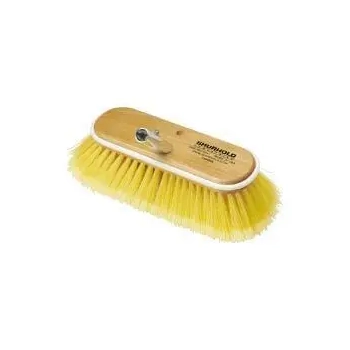
$123.41 $129.90
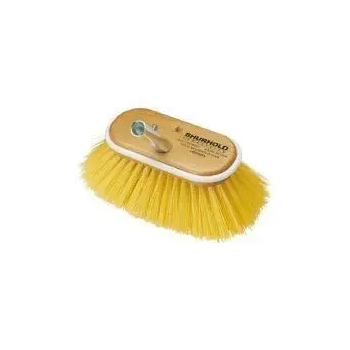
$93.01 $97.90


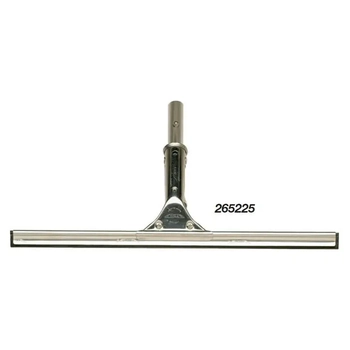
$81.61 $85.90
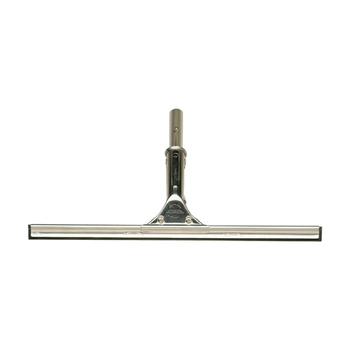
$92.06 $96.90

$77.81 $81.90

$42.90
$60.71 $63.90
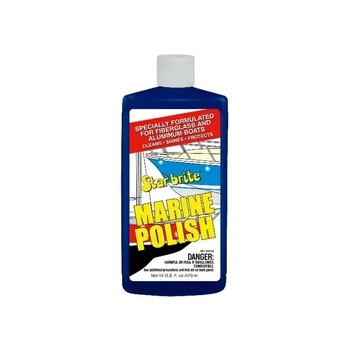
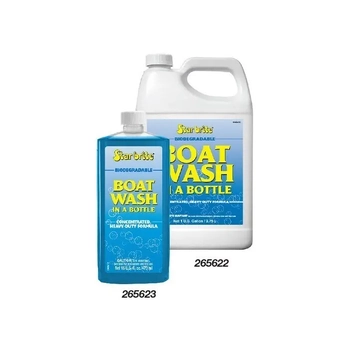
$113.91 $119.90
Boat cleaning products support regular washing, polishing and surface care across decks, hulls, cabins, stainless fittings and hardware. The right product depends on the surface, level of salt or grime and whether the job is cleaning, polishing, stain removal or protection. Check product suitability before using cleaners on gelcoat, paint, vinyl, acrylic, metal or inflatable materials. Matching the cleaner to the surface helps avoid unnecessary guesswork during routine boat care and prepares the boat for storage, maintenance or the next trip.
Start with the surface and the job. Salt washdown, deck cleaning, hull grime, stainless staining and polishing all call for different products. Read product directions and test carefully where required, especially on delicate or weathered finishes. If a surface has not been cleaned recently, a lighter initial clean to remove loose salt and debris may reduce the effort required from a dedicated cleaning product.
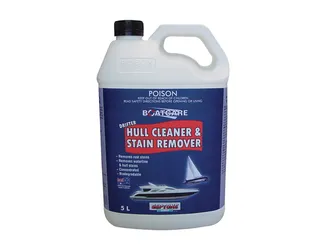
Boat Cleaning Products choices can depend on surface type, application method and product specification checks; our Boat Cleaner and Polish Guide sets out the key points to compare before ordering.
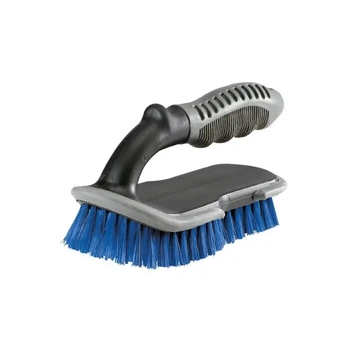
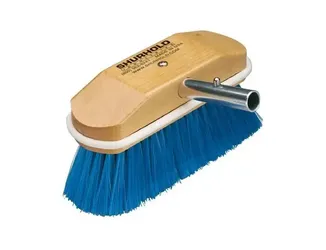
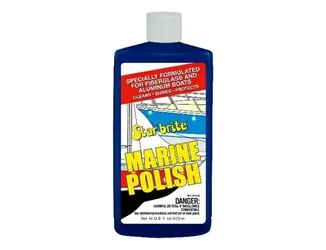
A practical cleaning kit may include boat cleaning brushes, surface-specific boat cleaners, finishing products such as boat polish and wax and related marine surface protectants. Avoid using aggressive cleaners where the product is not intended for that surface.
Boats used in saltwater, mud, sand, bait residue and strong UV may need more frequent cleaning than freshwater vessels. Salt residue can accelerate corrosion on stainless fittings, create staining on gelcoat and leave deposits in deck drainage channels that are harder to remove if left to build up. Good product choice helps make maintenance more manageable, but results depend on surface condition, application and manufacturer instructions. Rinse surfaces after saltwater use where practical, and use appropriate products for the surface material rather than a single cleaner across all areas.
Many boat owners use a mix of wash products, brushes, surface cleaners and finishing products rather than relying on one product for every job. Keep separate tools for rough deck work and more delicate finishes, and read labels before applying products near clear plastics, upholstery, stainless steel or painted surfaces.
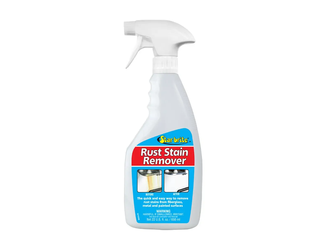
Specialist cleaners can be useful for stubborn stains, rust marks, teak, mildew, inflatable materials or polished finishes, but they should be selected carefully. Stronger products are not automatically better and may not suit every surface. Follow manufacturer directions and rinse or protect surfaces according to the product guidance.
Separate the job into washing, stain removal, polishing, protecting or specialist surface care. A product for stainless marks may not suit upholstery, and a general wash may not be enough for oxidation or stubborn stains. Where finishes are aged or unknown, test carefully and follow the product directions.
Many owners start with a rinse, move to surface-appropriate cleaning, then finish with polishing or protection where suitable. Keeping brushes, cloths and cleaners organised by task reduces the chance of using a harsh tool on a delicate surface. Avoid mixing products unless the manufacturer directions clearly allow it.
Gelcoat, stainless, rubber, acrylic, clears, vinyl and painted surfaces can respond differently to cleaning products. Read the label before using a cleaner near delicate finishes or mixed materials. If the surface has existing staining, oxidation or damage, realistic expectations are important; a cleaner may assist preparation, but it cannot replace repair or refinishing work.
Use the least aggressive product and tool that suits the task. Heavy scrubbing, harsh chemicals or incorrect pads can create avoidable marks on some surfaces. Selecting products by surface, soil level and finish type helps customers plan repeatable maintenance without relying on generic all-purpose claims.
Cleaning needs can change between regular weekend use, long-term storage, fishing trips and pre-sale preparation. Salt and grime left on fittings or non-skid surfaces can make later cleaning harder. A basic cleaning routine should suit the boat, surface materials and products being used, without assuming one cleaner handles every job.
Cleaning often leads into polishing, protecting, masking or minor repair preparation. Linking products by task helps customers move from washing to finishing without selecting items that are too aggressive or unsuitable for the surface material or condition.
Choose products based on the surface and job, such as washing, polishing, stain removal or protection.
Use a cleaner that states suitability for gelcoat and follow the product directions.
No. Gelcoat, vinyl, acrylic, metal, teak and painted surfaces may need different products.
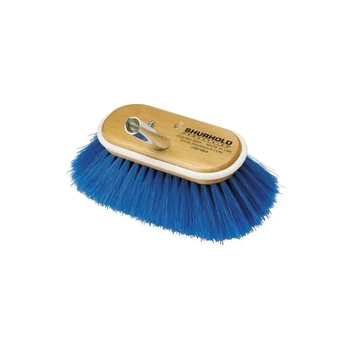
Brushes can help with decks or textured areas, but choose bristle stiffness to suit the surface.
Frequency depends on use, salt exposure, storage and surface condition. Rinse and clean as needed using suitable products.
ABN: 99 423 721 756