$5.49 off RRP of $109.90

Free Shipping over $499*

Huge Range

Zip & Afterpay Available

Over 100+ Brands


$161.41 $169.90
$171.71 $180.75
$23.60
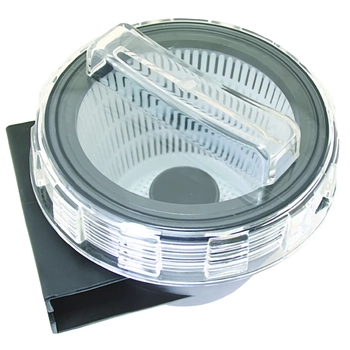
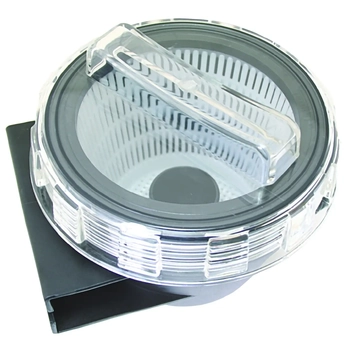
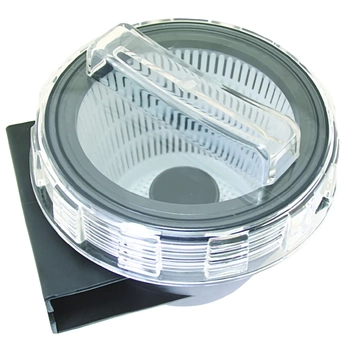
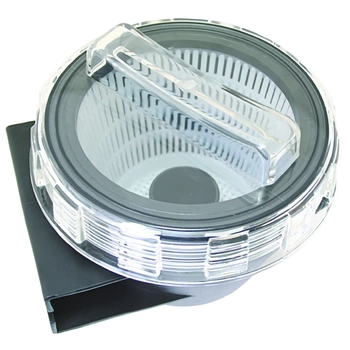
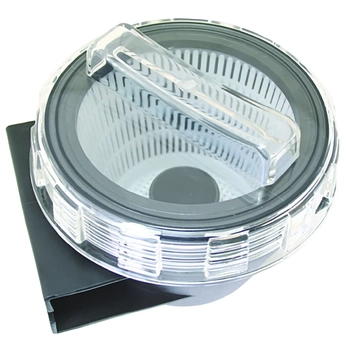
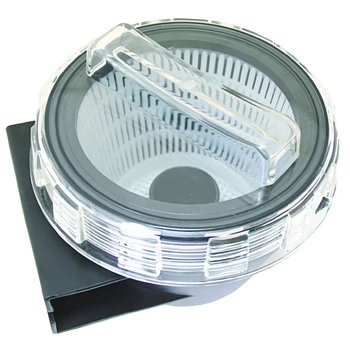
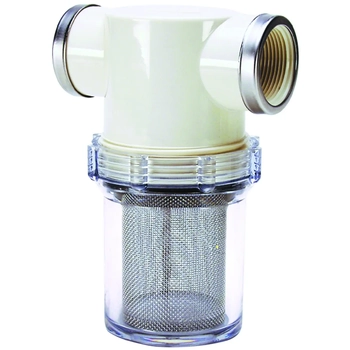
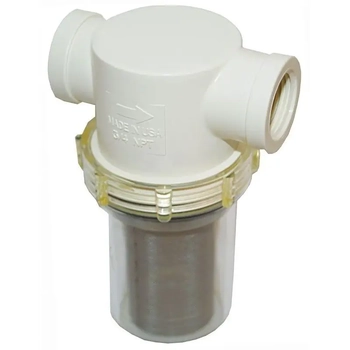
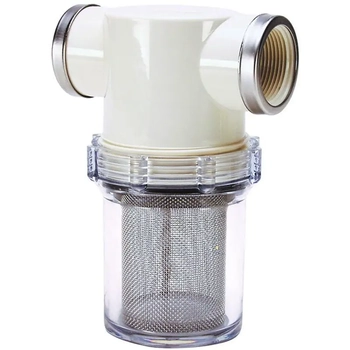
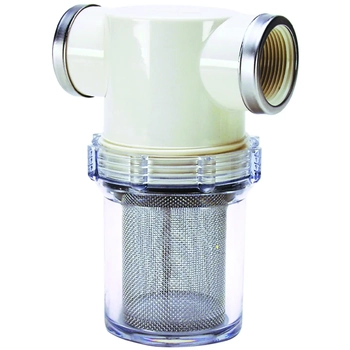
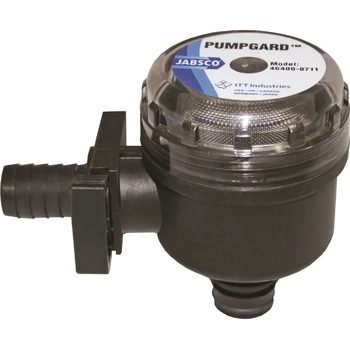
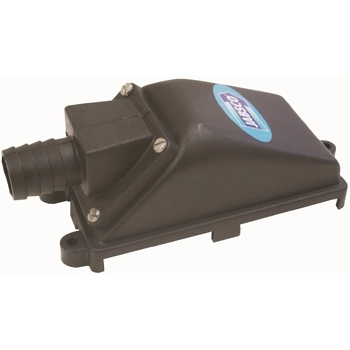
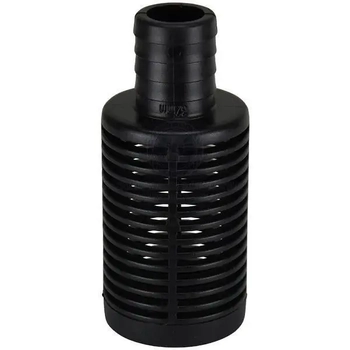
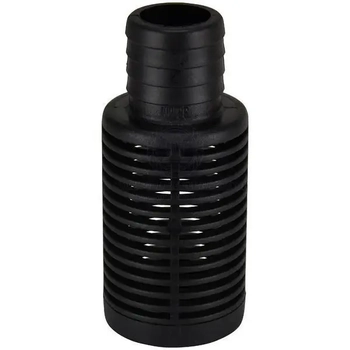
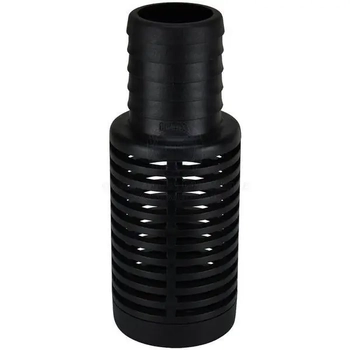
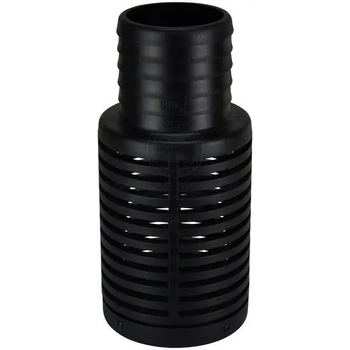
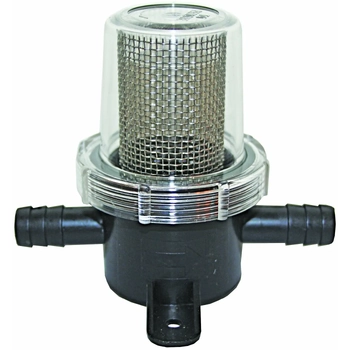
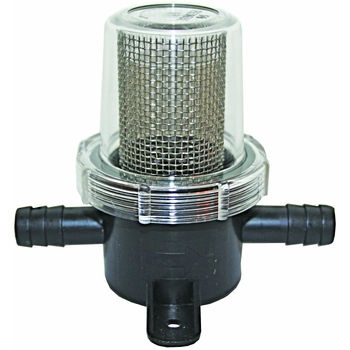
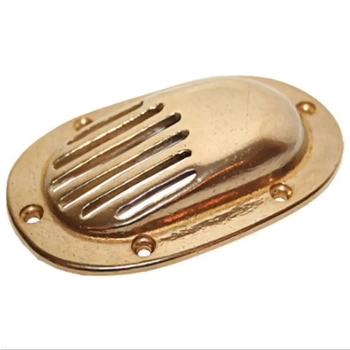
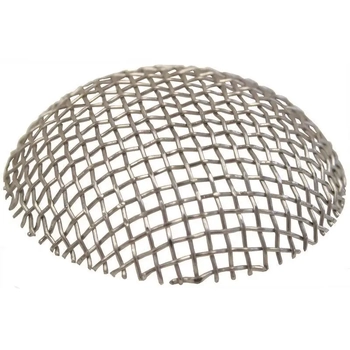
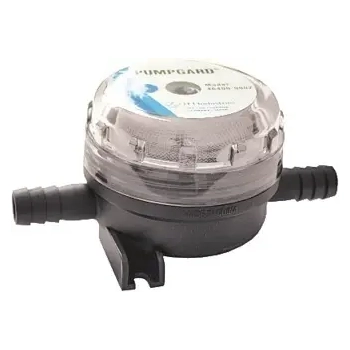
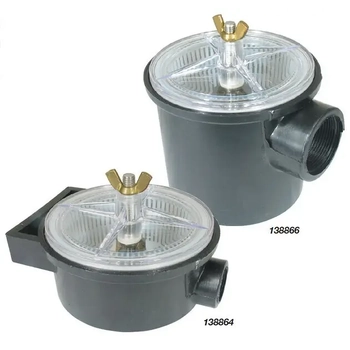
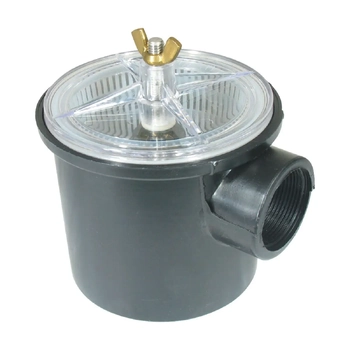
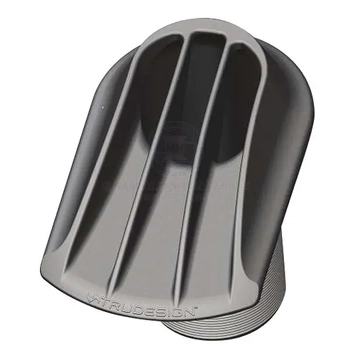
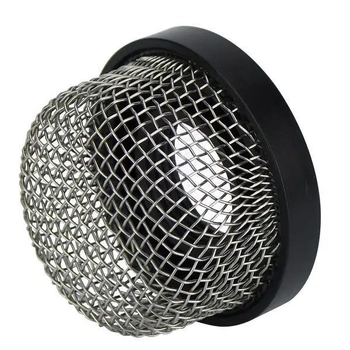
Marine engine strainers sit in the raw-water intake line between the seacock and the engine cooling circuit, catching weed, shell grit, sand and debris before they can reach the impeller and heat exchanger. Choosing the right strainer depends on hose connection diameter, flow requirements, mounting position and how easily the basket can be accessed for regular cleaning. In Australian conditions where coastal bays, estuaries and marinas can carry fine sand, weed and debris a serviceable, well-positioned strainer is a practical part of regular engine maintenance. This range covers strainer bodies, clear-bowl designs and replaceable basket strainers for inboard and stern-drive engines.
Raw water drawn from outside the hull to cool the engine passes through the strainer before reaching the impeller and heat exchanger. The strainer basket intercepts debris that would otherwise cause partial or full blockages in the cooling circuit. Even in clean-looking water, fine shell grit, weed fragments and sand can accumulate and restrict flow over time, so regular inspection and cleaning of the strainer basket is a standard part of engine servicing on vessels with raw-water cooling.
For broader engine accessory context, browse marine engine accessories strainers are part of a wider raw-water and cooling system that also includes hoses, seacocks and impellers.
The most important specifications are the hose connection diameter at the inlet and outlet ports, and whether the strainer body has enough capacity for the raw-water flow your engine requires. Common sizes match standard hose diameters confirm the hose size on your existing system before ordering.
Service access is equally important. A strainer mounted in a position that makes it difficult to reach, open or drain will be harder to maintain on schedule. Clear-bowl designs allow a visual check of debris accumulation without opening the unit; removable baskets allow cleaning without disturbing the plumbing if the mounting position is well chosen. Suitability depends on the product and your vessel layout check both before purchasing.
Strainers are typically mounted near the seacock, below the waterline, which means any work on them should be done with the seacock closed. Check clamps, hose condition and mounting hardware at each service interval. Cracked bowls, worn basket seals and corroded housings should be replaced before they fail a strainer that leaks or blocks at the wrong time can cause overheating quickly.
For related engine bay servicing alongside strainers, also consider marine engine blowers for ventilation, marine exhaust outlets for wet-exhaust systems, marine engine sound insulation and marine spark plugs.
Before choosing a strainer, measure the existing hose diameter and check the connection style (hose barb, threaded or flanged) on the current fitting. Note the seacock position and the mounting space available, including whether there is enough clearance to remove the basket with the seacock closed. If the engine cooling system has been modified, confirm that the strainer size and flow specification suit the current setup rather than the original configuration. Use product specifications as the final reference, and seek qualified marine engineering advice where the cooling system layout is uncertain.
A marine engine strainer sits in the raw-water intake line and catches debris weed, shell grit, sand and foreign matter before it reaches the engine cooling system. Regular cleaning and inspection of the strainer basket is part of standard engine servicing on raw-water cooled vessels.
Match the strainer to the hose connection diameter in your existing raw-water system. Confirm hose size at the seacock and engine inlet before ordering. Also check that the flow capacity suits your engine's cooling requirements.
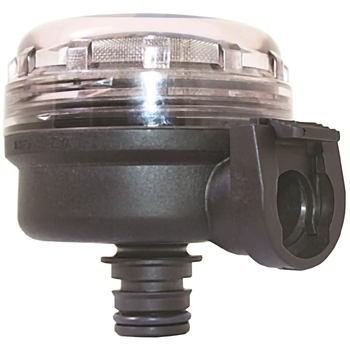
A clear bowl allows a quick visual check of debris accumulation without opening the unit, which can be convenient in accessible mounting positions. Whether it suits your installation depends on the mounting location and the product specifications check both before choosing.
Check intervals depend on use, water conditions and manufacturer guidance. In weed-prone, sandy or debris-heavy areas, more frequent inspection is sensible. At minimum, inspect before extended trips and as part of each scheduled engine service.
Seacocks, hoses, clamps and the impeller are often inspected together, as they form the raw-water intake path. Checking these items at the same time reduces the number of times the system needs to be opened and allows worn fittings to be identified together.
ABN: 99 423 721 756