$79.71 $83.90
$4.19 off RRP of $83.90
$79.71 $83.90
$79.71 $83.90
$79.71 $83.90
$85.41 $89.90
$113.91 $119.90
$113.91 $119.90
$113.91 $119.90
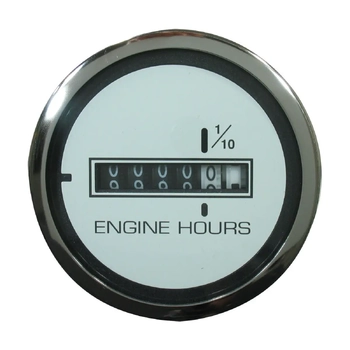
$189.91 $199.90
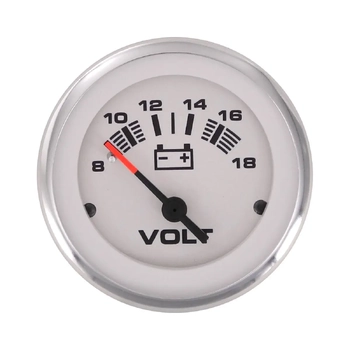
$113.91 $119.90
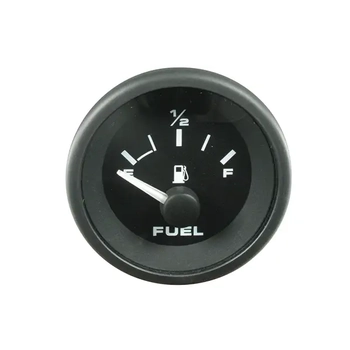
$113.91 $119.90
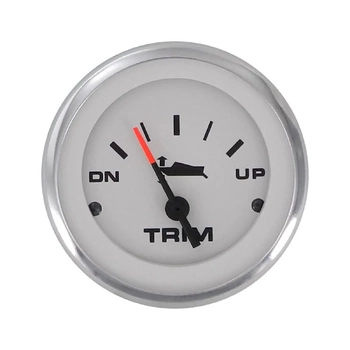
$113.91 $119.90
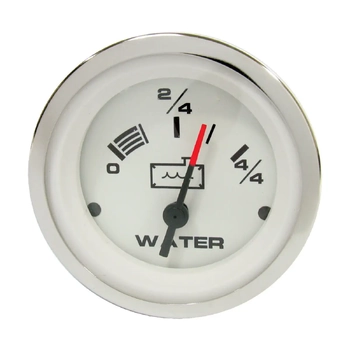
$113.91 $119.90
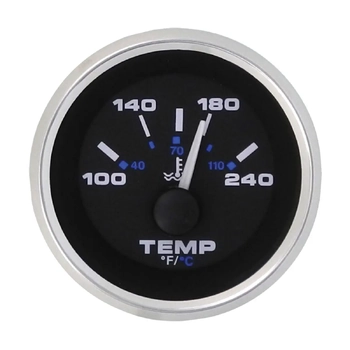
$123.41 $129.90
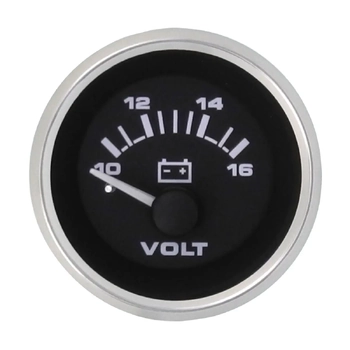
$123.41 $129.90
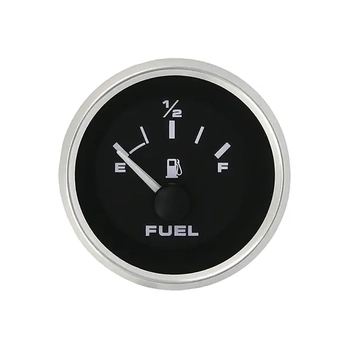
$123.41 $129.90
$208.91 $219.90
$104.41 $109.90
$170.91 $179.90
$56.91 $59.90
$73.06
$62.61
$132.91 $139.90
$313.41 $329.90
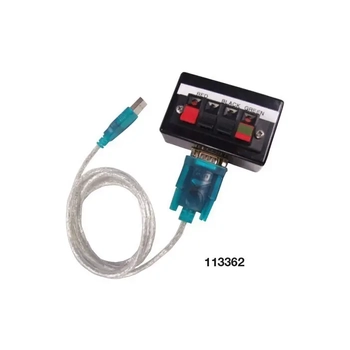
$313.41 $329.90
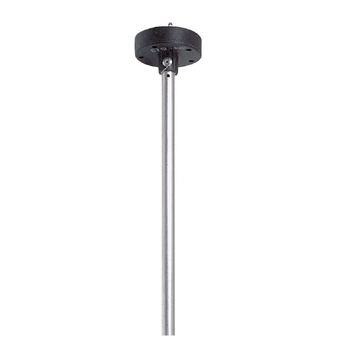
$559.55 $589.00
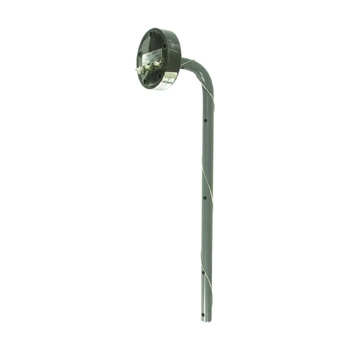
$578.55 $609.00
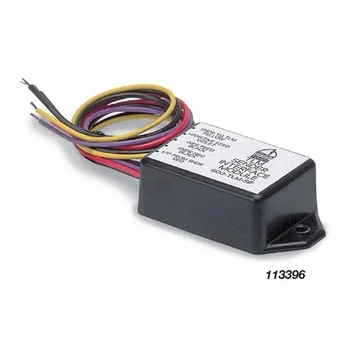
$246.91 $259.90
$161.41 $169.90
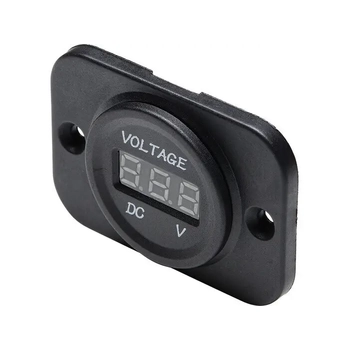
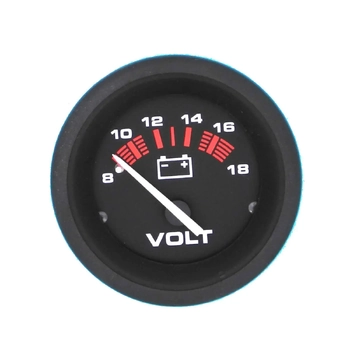
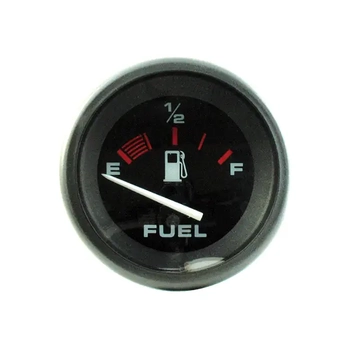
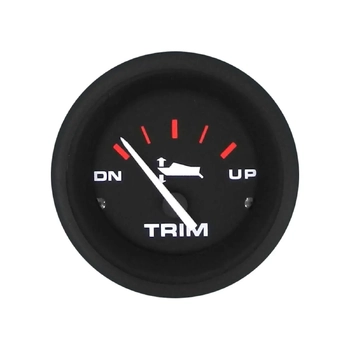
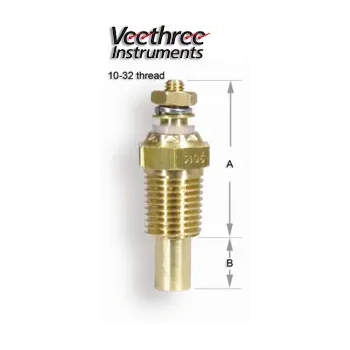
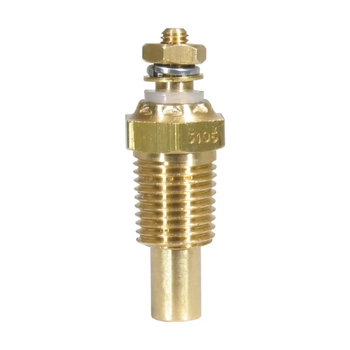
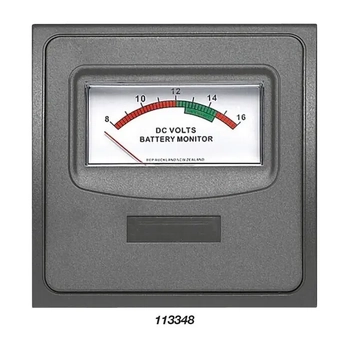
Marine engine instruments and senders help keep key engine information visible at the helm, including readings such as temperature, pressure, voltage, trim and fuel depending on the setup. Matching the gauge, sender and engine system correctly is the main priority when replacing worn instruments or building a new panel.
Many marine instruments rely on a compatible sender to provide accurate readings. Before replacing a gauge, confirm whether the sender, wiring or gauge itself is the issue. Resistance range, voltage, thread size and engine compatibility can all affect whether a part will suit.
Position the most important readings where they can be read quickly without blocking view of the water or navigation equipment. Group related gauges logically and leave enough space for switches, controls and future additions.
Marine instruments need clean wiring, protected terminals and suitable sealing around panel cut-outs. Follow the product instructions and check whether the gauge is intended for the engine type, system voltage and sender arrangement on the boat.
For related parts, compare marine engine accessories, marine instruments and engine controls and steering.
The sender measures a value at the engine or tank, while the gauge displays that value at the helm. Both parts need to be compatible for the reading to be useful.
Often yes, provided the replacement suits the existing sender, wiring, voltage and panel cut-out. Check the specifications before ordering.
Common causes include sender mismatch, poor wiring, corrosion at terminals, faulty earths or a worn gauge. Test the system before assuming one component is the only fault.
ABN: 99 423 721 756