
$2.90 off RRP of $57.95
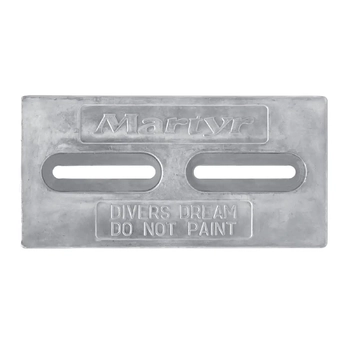
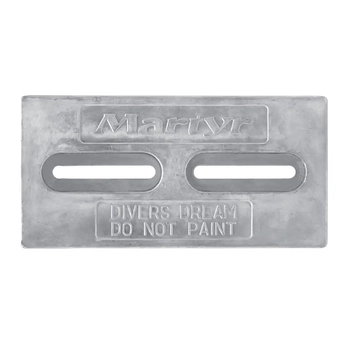
$52.16

$104.41 $109.90
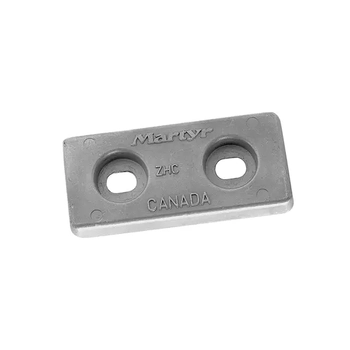
$66.41 $69.90
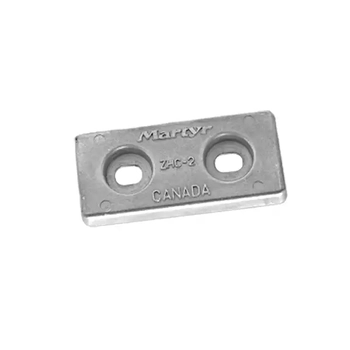
$69.26 $72.90
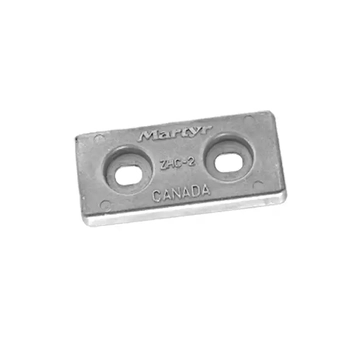
$44.90
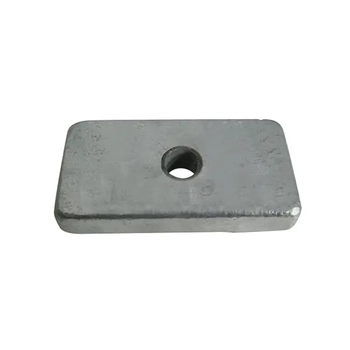
$81.61 $85.90
$50.26 $52.90
$52.16 $54.90
$73.06 $76.90
$40.90
$151.91 $159.90
$246.91 $259.90
$89.21 $93.90
$303.91 $319.90
$189.91 $199.90
$61.66 $64.90
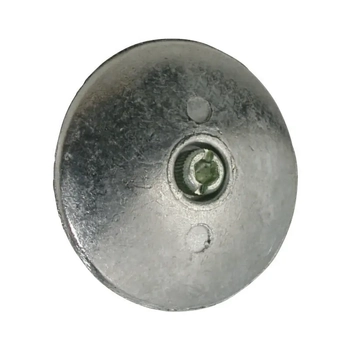
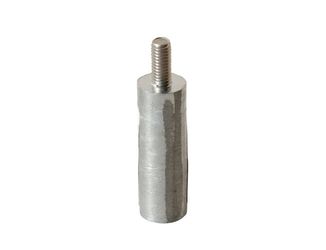
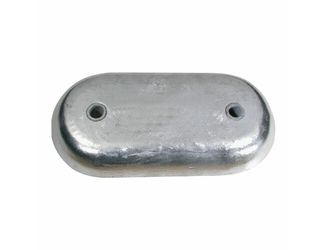
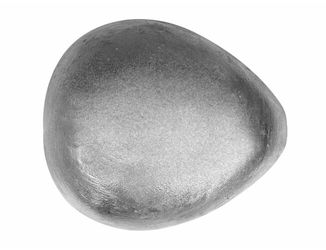
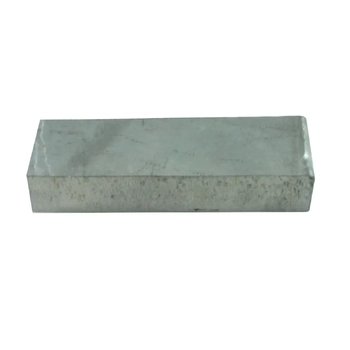
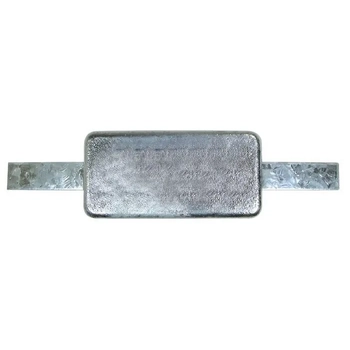
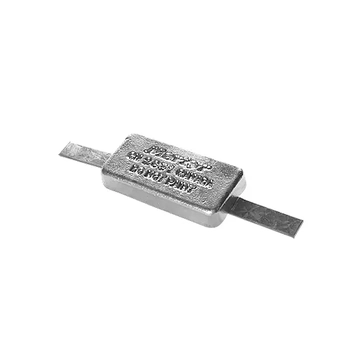
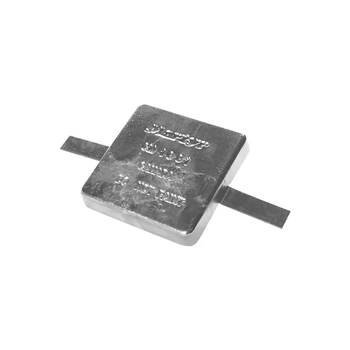
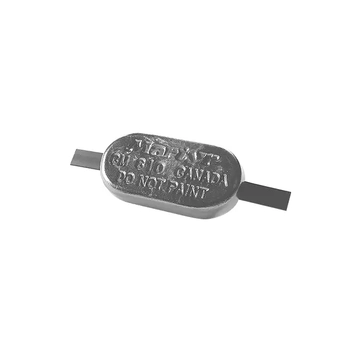
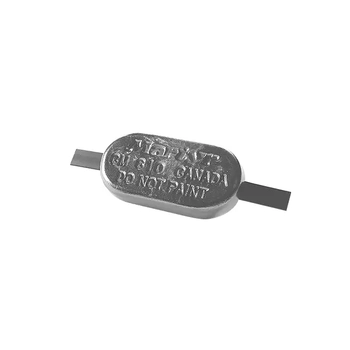
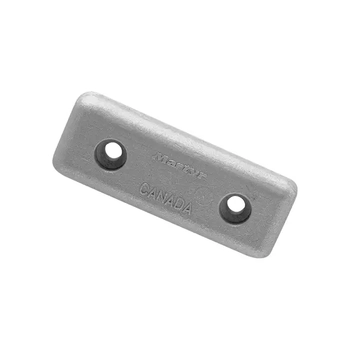
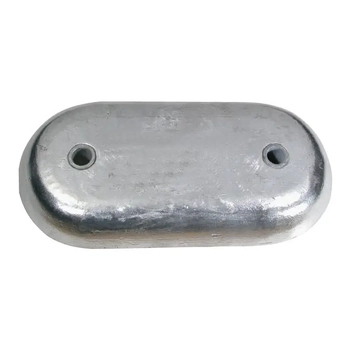
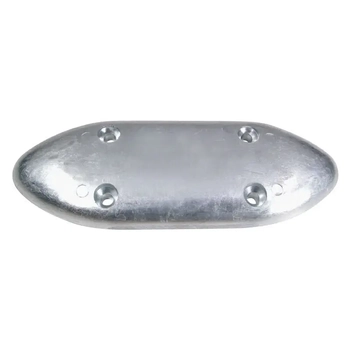
Marine anodes are sacrificial metal components fitted to boats, engines and underwater hardware to help manage galvanic corrosion in marine environments. They are designed to corrode preferentially so that more important metal parts are less affected by electrochemical wear in the water. Choosing the right anode depends on the fitting location, water type, surrounding metals, vessel design and manufacturer guidance. Check material, shape, mounting style and size carefully before purchase anodes should be matched to the vessel and its conditions, not chosen by appearance alone.
When different metals are submerged together in an electrolyte salt water is a particularly active one galvanic corrosion causes the less noble metal to corrode. Anodes work by being the most active metal in the circuit, so they corrode first rather than the more valuable or structural parts they are protecting. They do not prevent all corrosion in all situations, but correctly chosen and maintained anodes are an important maintenance item on many vessels.
Not sure how marine anodes fits with the rest of your boat? The Anodes and Corrosion Protection Guide explains anode material, water type, connected metals and maintenance checks.
The rate at which an anode is consumed depends on the water conditions, the metals around it, whether shore power is connected, nearby vessels, marina electrical leakage and how frequently the boat is used. This means there is no universal replacement interval regular inspection is the only reliable guide.
Anode material is the most critical selection decision. Three materials are commonly used, and they are suited to different water types:
Always follow the engine or equipment manufacturer's recommendation for anode material. Some drives and outboards specify aluminium anodes explicitly. Mixing materials on the same system is generally not advisable without understanding the implications. For broader engine and drive maintenance, browse the engine and propulsion parts category.
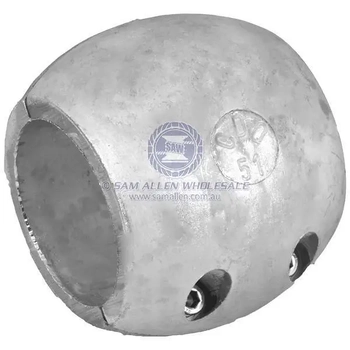
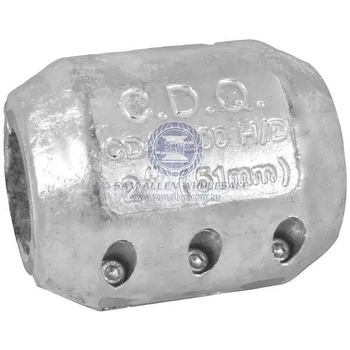
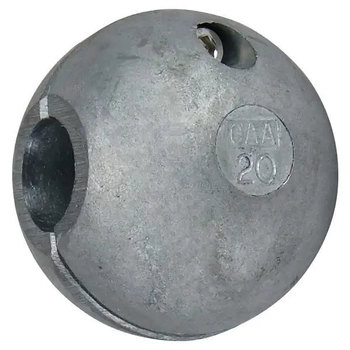
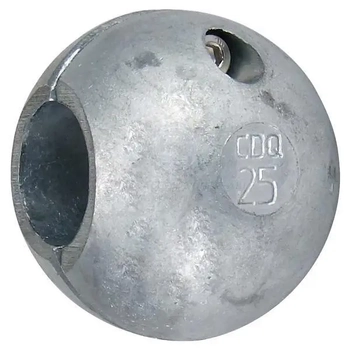
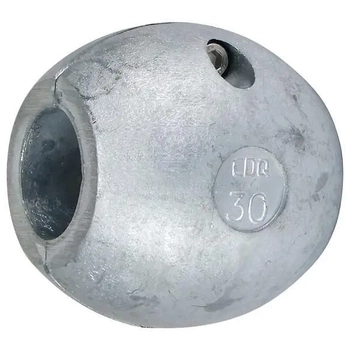
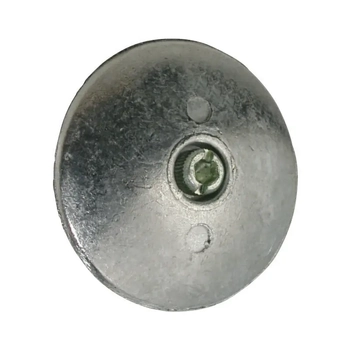
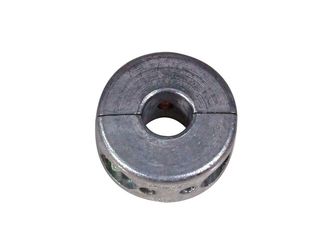
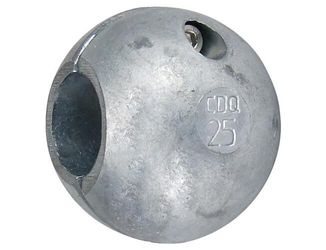
Anodes can be found in a range of positions depending on the vessel and its equipment. Common locations include engine and sterndrive casings, propeller shafts, hull fittings, keel bolts, trim tab plates, rudders, outboard lower units and transom brackets. Each position may have a specific shape, bolt pattern or mounting method, so identifying the exact fitting point matters before ordering. Related sub-categories include shaft anodes for propulsion shaft applications.
For engine servicing alongside anode inspection, also review marine engine accessories and marine engine oil as part of the same service interval.
Inspect anodes regularly at haul-out, during trailer servicing or at every engine service. An anode that has wasted by around fifty percent is a reasonable indicator that replacement should be considered soon. An anode that has wasted more heavily, is loose, heavily pitted or covered in marine growth may not be providing effective protection. Replace before complete consumption rather than waiting until the anode is gone.
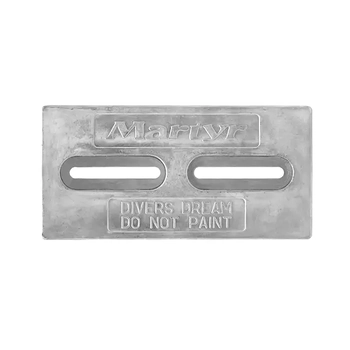
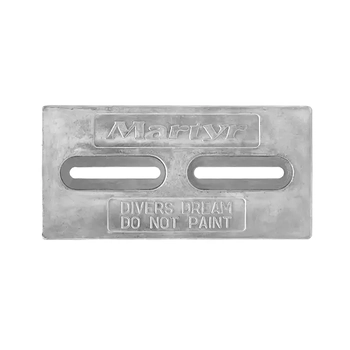
Do not paint over active anode surfaces paint prevents the anode from making proper electrical contact with the water and stops it functioning as intended. Make sure contact surfaces between the anode and the fitting are clean and free from paint, sealant or contamination.
Shore power connections and electrical faults can significantly accelerate anode consumption and corrosion on boats in marinas. If anodes are wasting unusually quickly, or if corrosion is appearing on parts that should be protected, seek qualified marine electrical advice before simply fitting larger or more anodes. Stray current corrosion is a different problem from galvanic corrosion, and the two require different solutions.
In mixed or unusual marina conditions particularly near commercial vessels, in areas with electrical infrastructure in the water, or where anode wear patterns are inconsistent a qualified marine corrosion assessment may be worthwhile before the next service.
Marine anodes are sacrificial components fitted to boats and underwater hardware to help manage galvanic corrosion. They are designed to corrode preferentially in the water, reducing the rate at which more important or structural metal parts are affected by electrochemical wear.
Match the material to the water type and the engine or equipment manufacturer's recommendation. Zinc is commonly used in saltwater, aluminium in saltwater and brackish water, and magnesium in freshwater. Follow manufacturer guidance and avoid mixing incompatible materials on the same system.
Common locations include engine and sterndrive casings, propeller shafts, outboard lower units, trim tabs, hull fittings, keel bolts, rudders and transom brackets. Each location has specific shape, size and mounting requirements identify the fitting point before ordering.
Inspect at every haul-out, trailer service or engine service. Replacement is typically considered when around fifty percent of the anode has wasted, though heavily wasted, loose or growth-covered anodes should be replaced sooner. There is no single interval suitable for all vessels.
Generally this is not advisable without understanding the implications. Different materials have different potentials, and mixing them can affect how the protection system works. Follow engine and equipment manufacturer recommendations and seek qualified advice if the existing installation is unclear.
ABN: 99 423 721 756