
$73.06 $76.90
$3.84 off RRP of $76.90
$73.06 $76.90
$512.05 $539.00
$512.05 $539.00
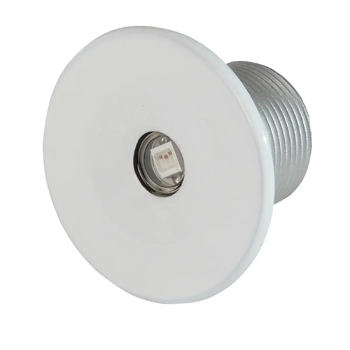
$87.31 $91.90
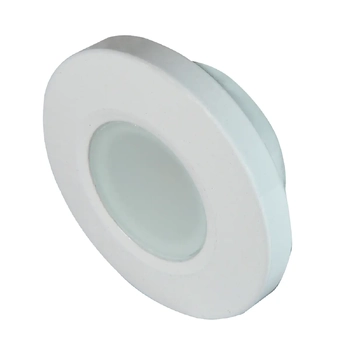
$313.41 $329.90
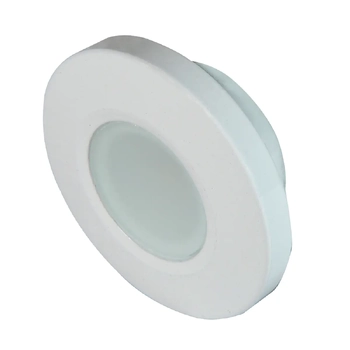
$170.91 $179.90
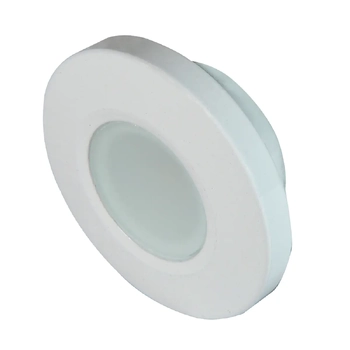
$313.41 $329.90
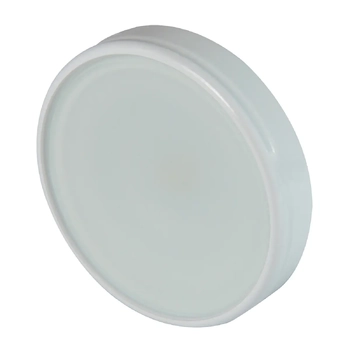
$189.91 $199.90
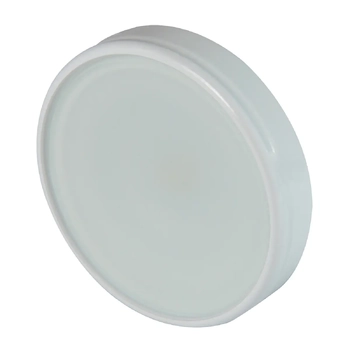
$370.41 $389.90
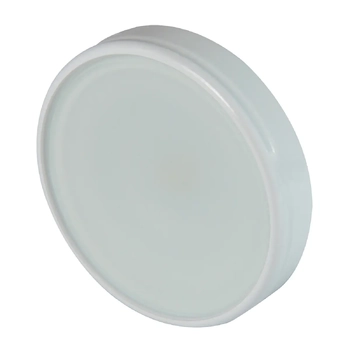
$341.91 $359.90
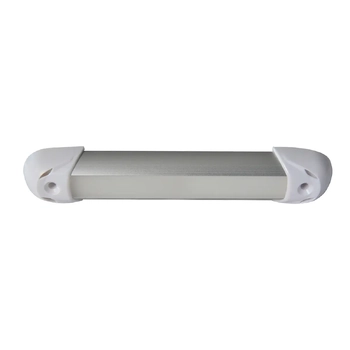
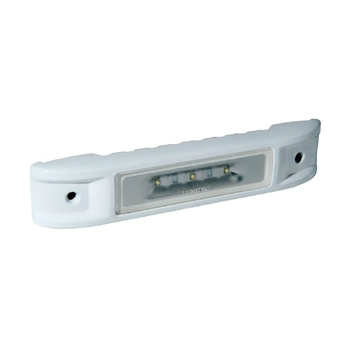
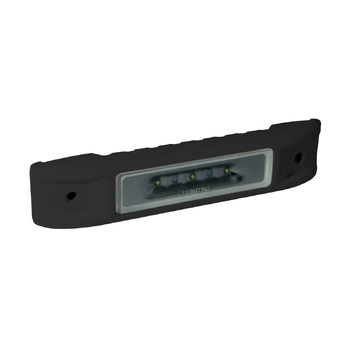
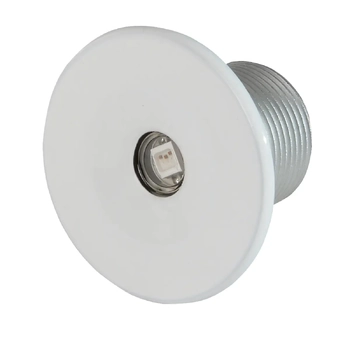
Marine exterior lights are used around open boat areas such as decks, transoms, walkways, boarding points and cockpit edges. The aim is practical illumination for moving around the boat, checking gear and working in low light without confusing the job of navigation lights or other dedicated lighting systems.
When selecting exterior lighting, consider the mounting surface, beam direction, wiring access and how the light will be switched. A light that suits a transom or work area may be too bright or poorly aimed for a walkway. Low-profile fittings can be helpful where lines, covers or gear may pass nearby, while more focused lights can suit task areas.
Exterior lights may overlap with marine cockpit lights, courtesy lights, LED strip lights and broader marine lighting. Keep the role of each light clear so the installation does not become cluttered or overly bright in one area.
For low-level step or cabin accent lighting, use the courtesy or strip-light categories instead of treating every small light as an exterior fitting.
They are commonly fitted around decks, transoms, boarding areas, cockpits and other outside spaces where practical illumination is useful.
No. Exterior lights are for general visibility or task lighting, while navigation lights have a separate purpose and should be selected through the appropriate category.
Check mounting space, wiring access, switching, brightness, beam direction and whether the fitting location may be exposed to spray or gear movement.
ABN: 99 423 721 756