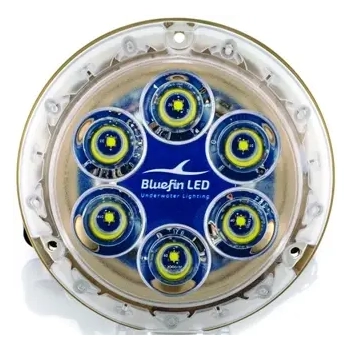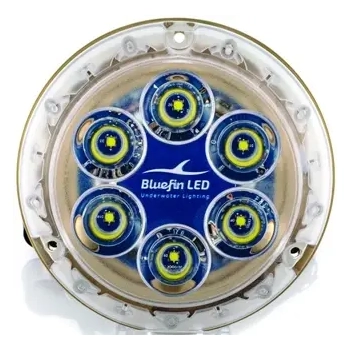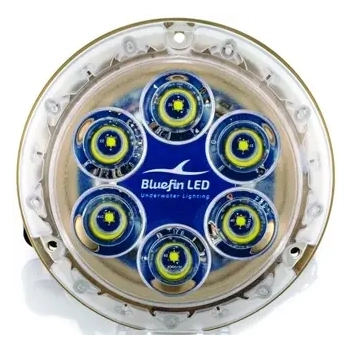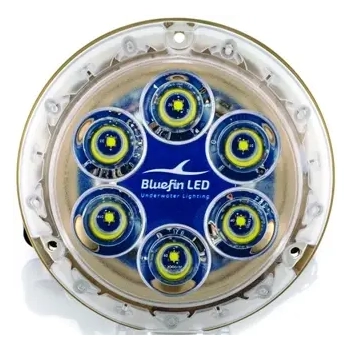
Marine Lighting
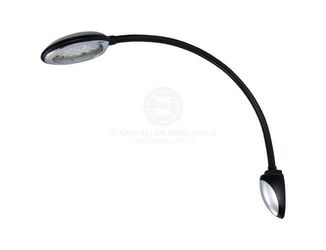
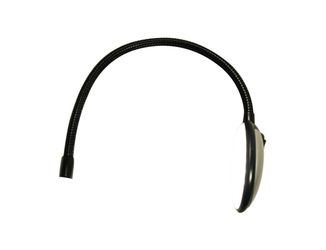
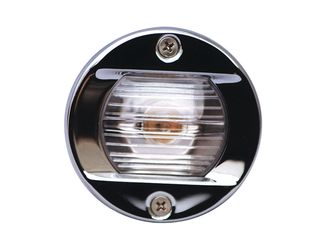
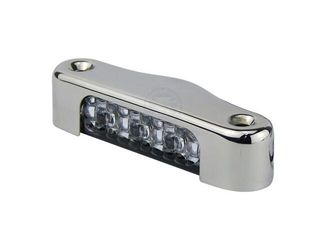
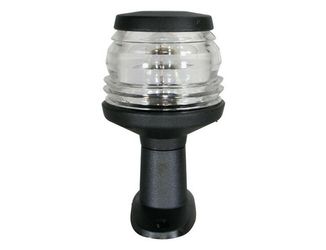
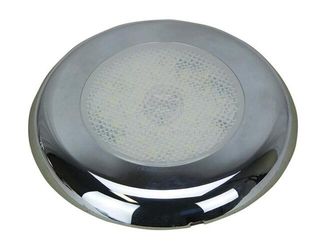
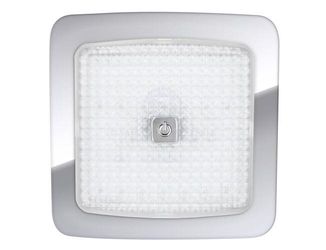
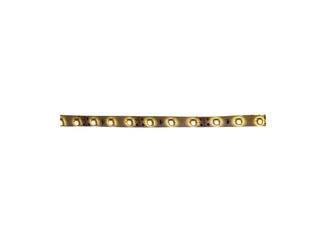
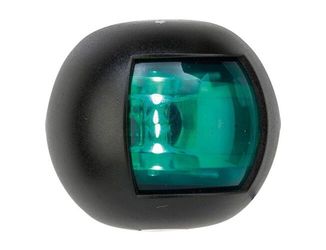

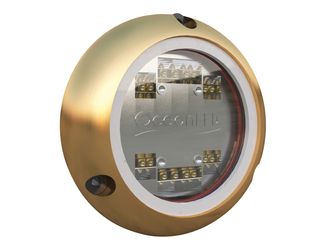
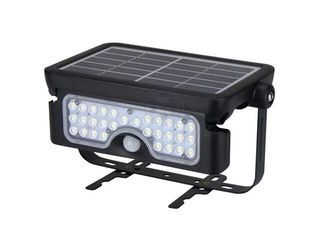
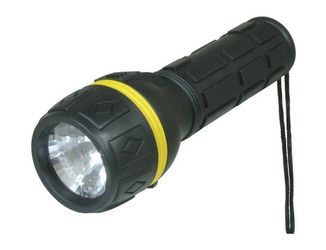
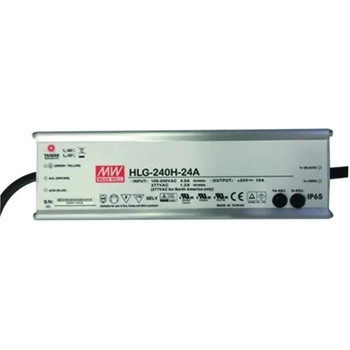
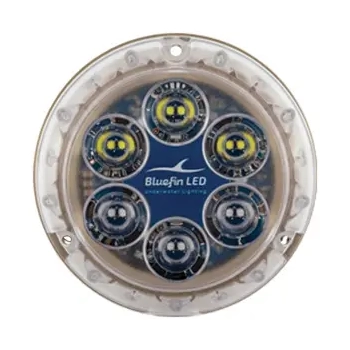
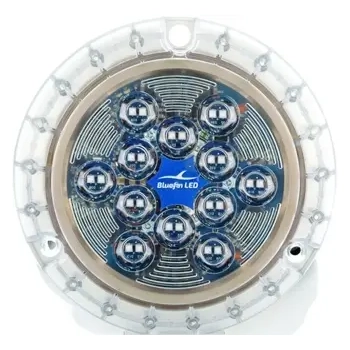

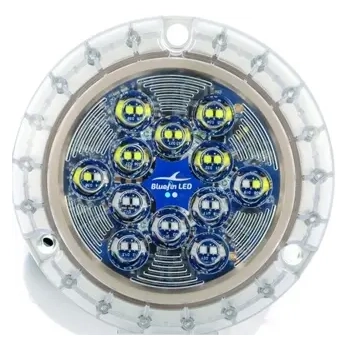
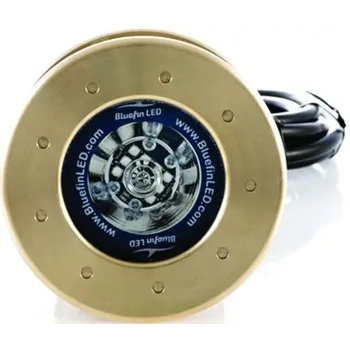
Marine lighting covers a wide range of boat lighting needs, from cabin comfort and cockpit use through to deck work, replacement bulbs and focused spotlights. Choosing the right light starts with where it will be fitted, how it will be powered and what the light needs to do. Consider mounting location, voltage, beam style, exposure and product specifications before purchase, and plan electrical requirements wiring, switching and circuit protection before finalising the product choice. For new electrical work or uncertain wiring, use a qualified installer where required rather than assuming existing wiring is suitable for additional lighting circuits.
Lighting on a boat needs to suit both the location and the purpose. Cabin lights, cockpit lights, work lights, spotlights and replacement bulbs all serve different functions. The product choice should consider the mounting surface, available wiring, voltage, finish, exposure and the style of light needed. Choosing only by appearance or brightness without checking fit and compatibility is a common cause of lighting projects that do not work as expected.
Australian boats face specific lighting challenges UV exposure, salt air, spray, vibration and the need to manage power from a battery bank so product specifications for exposure rating, voltage and current draw all matter more than they might for household fittings.
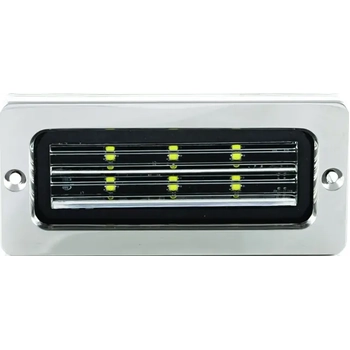
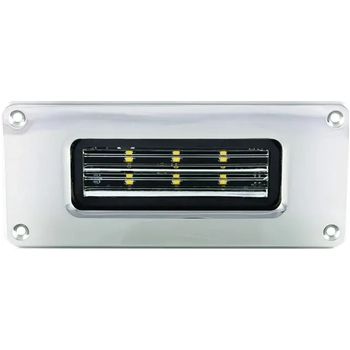
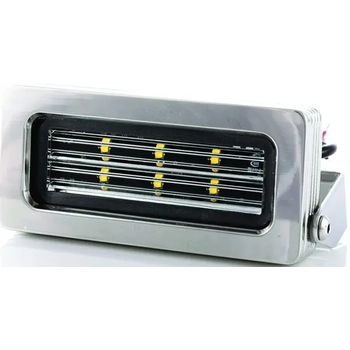
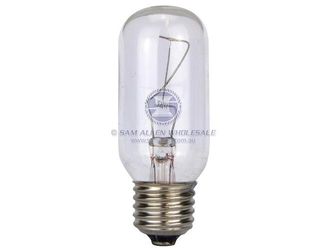
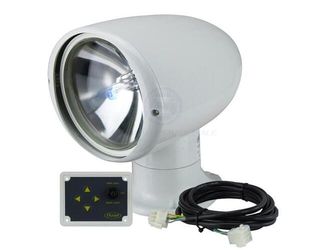
Different areas of the boat may need different products from this category. For focused, directed lighting needs, compare marine spotlights and their beam and mounting options. For cabins and covered areas, marine downlights provide a neater, flush-mounted option suitable for headliners, shelves and covered cockpit areas. When an existing fitting needs a new lamp rather than a whole fixture replacement, browse marine light bulbs for the correct base, voltage and size.
If a lighting project involves wiring, switching or circuit protection, review marine electrical equipment before finalising the lighting choice to confirm all components of the circuit are matched.
LED lighting has become the most common choice on modern boats because of lower current draw compared to equivalent incandescent options. However, LED replacement lamps are not universally interchangeable with older fittings check base type, voltage, physical size and heat management as noted in the product information before assuming an LED retrofit will work in an existing fixture.
Beam angle and mounting depth both affect how useful a light is in a specific location. A wide-beam downlight suits a cabin or headliner where even coverage is the goal; a narrow-beam or focused spotlight suits a work area or boarding point where directed light is needed. Check cut-out or mounting dimensions before ordering.
Before purchasing marine lighting, confirm the circuit voltage, available wiring capacity and whether a new switch or fuse will be needed. Adding multiple lights to an existing circuit without checking the total current load can cause fuse failures or overloaded wiring. Plan the circuit load first, then select the fixtures.
Lights mounted in exposed or partially exposed locations should have an appropriate IP rating for the intended area. Not all marine-labelled lighting is rated for direct spray or immersion check the product specification for the IP rating where water exposure is possible at the installation point.
A practical lighting project rarely involves just the light itself. Switches, wiring, fuses and connectors may all need to be selected alongside the fixture. Use the marine electrical equipment category to check supporting products, and plan the full circuit from the supply through protection and switching to the load before finalising the lighting purchase.
Choose by location, purpose, voltage, mounting style, beam type, exposure rating and product specifications. Different areas cabin, cockpit, deck, spotlight use each need different product types from this category.
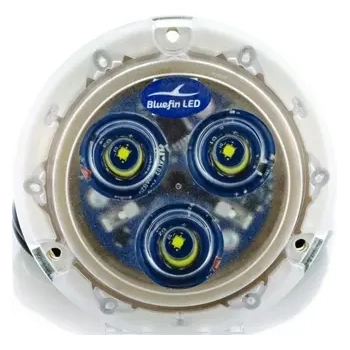
Downlights are typically flush-mounted for cabin or covered-area lighting with a wider, more even spread. Spotlights provide a more focused beam for specific tasks like deck work or approaching a berth. The right choice depends on what the light needs to do.
Some lights are designed for more exposed areas, but suitability depends on the product's IP rating, mounting location and wiring setup. Check the specification before installing any light in a location where spray, rain or immersion is possible.
Check voltage, mounting cut-out size, wiring access, fixture style, exposure rating and any product notes about compatible bulbs or lamps. Also check circuit load if replacing multiple lights at the same time.
Use a qualified installer for new wiring, panel changes, uncertain circuits or electrical work in exposed or moisture-prone areas. Following manufacturer instructions is the minimum; qualified support reduces the risk of incorrectly sized or installed circuits.
ABN: 99 423 721 756