
$2.65 off RRP of $52.95

$578.55 $609.00

$256.41 $269.90

$493.05 $519.00

$550.05 $579.00

$69.26 $72.90
$69.26 $72.90
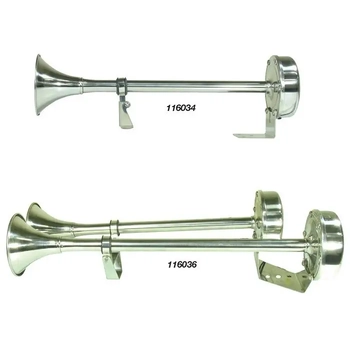
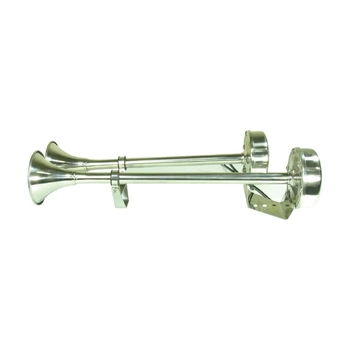

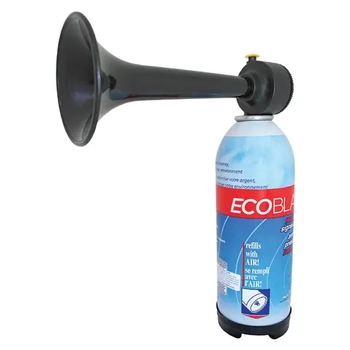

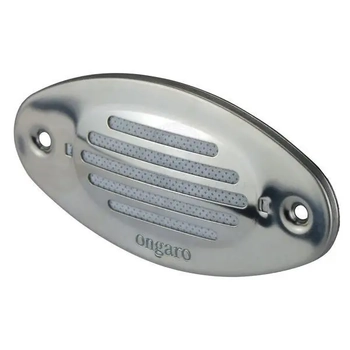
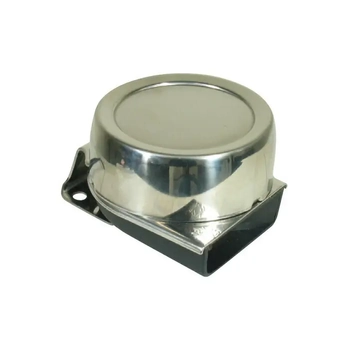
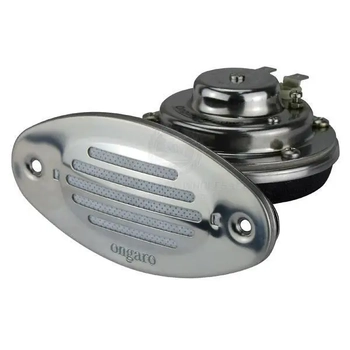
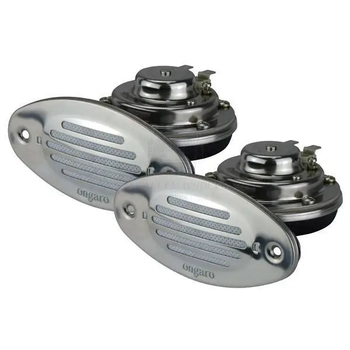
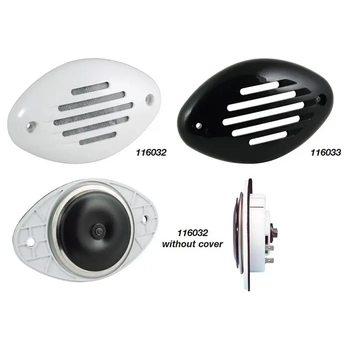
Marine boat horns are used for audible signalling around docks, channels, ramps and poor-visibility situations. The right horn depends on the boat setup, mounting location, voltage, horn style and relevant local requirements. Choose carefully rather than assuming every horn suits every vessel, and check product specifications, wiring requirements and manufacturer guidance before purchase or installation. Use this category to compare practical signalling options before matching the product to your boat electrical setup and local requirements. This also helps buyers compare replacement horns and accessories without assuming one style suits every vessel.
A horn is a practical signalling item, but selection should still be matched to the boat. Electric horns, compact horns and manual signalling options can suit different vessels and layouts. Consider whether the horn will be mounted externally or under cover, how it will be operated and whether the sound outlet is positioned where it is not easily blocked.
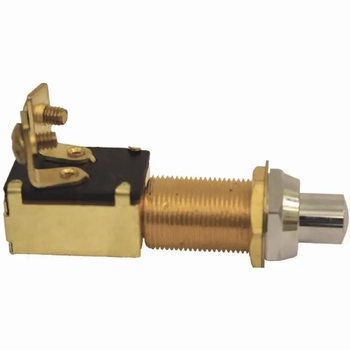
For power, switching and connection planning, start with the broader marine electrical equipment category and check suitable marine switches if a panel or momentary switch is part of the setup.
Do not assume a horn will meet every signalling requirement or sound level expectation. Product specifications should be checked for voltage, mounting style, tone, dimensions and intended use. Local boating requirements can vary, so confirm the relevant rules for your vessel type and waterway before relying on a horn for compliance.
Horn installation can involve related electrical hardware, including marine plugs and sockets where detachable or accessory connections are involved. For broader onboard safety planning, review marine safety equipment separately. A horn can support signalling, but it should not be treated as proof of safety or compliance.
Before purchase, compare the product information with the existing boat setup and intended use. This helps avoid mismatched voltage, unsuitable mounting positions or hardware that does not suit the vessel.
Electric horns need to suit the boat electrical system as well as the mounting area. Check whether the existing wiring, fuse protection and switch arrangement are appropriate for the horn being considered. If a horn is replacing an older unit, compare the mounting footprint, cable access and exposure before selecting a product.
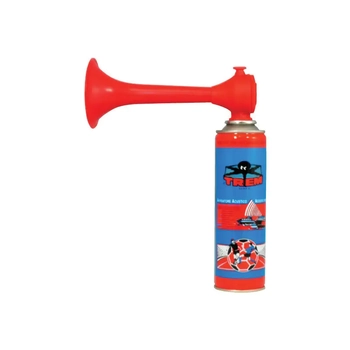
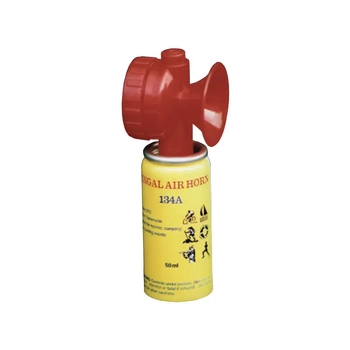
Manual and compact signalling options may be useful for some setups, but local requirements and vessel use should guide the final choice. Product information should be checked alongside current boating guidance, especially where the horn is being selected for safety or signalling purposes.
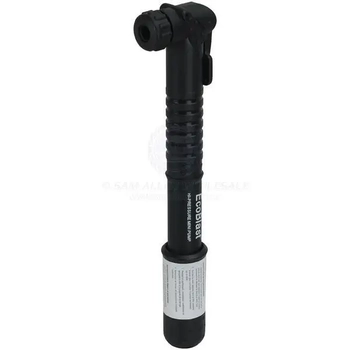
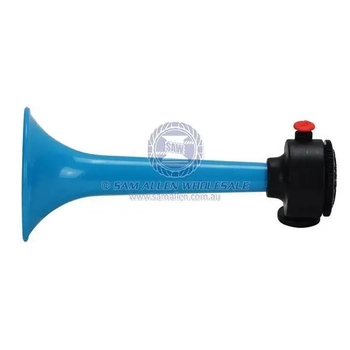
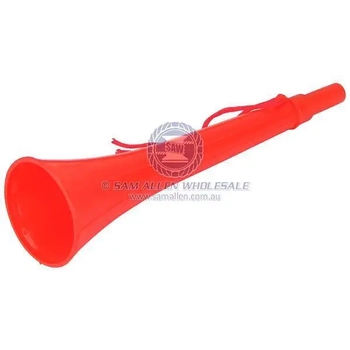
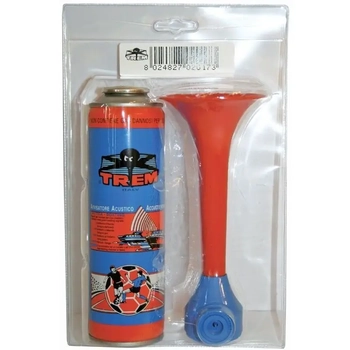
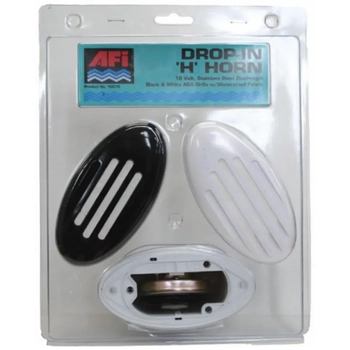
Compact electric horns can suit some helm and cabin layouts, while larger or twin-style horns may need more mounting room and a suitable electrical setup. Manual air horns or handheld options may be considered as backup signalling equipment depending on the vessel and use. Check product information for sound output where stated, but do not assume a horn will be audible in every condition.
Exposure is also important. A horn mounted forward may face more spray and sun than one mounted under cover, so material, mounting angle and wiring protection should all be considered.
Where the horn is part of a wider electrical refresh, check nearby switches, sockets and cable routes at the same time so the finished setup remains practical to use.
Boating requirements can vary across Australian states and territories, so it is worth checking current local guidance for the vessel type and waterway before selecting a horn. Sound signalling requirements may differ between inshore, coastal and offshore use. A horn that suits a small tinnie in sheltered water may not be the appropriate choice for a larger vessel operating in exposed or commercial areas where local rules apply differently.
Regardless of the local requirement, a practical horn that is easy to use and maintain from the helm or deck is a useful part of any boat setup. Check product specifications for mounting dimensions, weatherproofing where relevant and operating voltage to confirm the horn suits the boat's electrical system before installation.
Choose based on vessel type, power supply, mounting location, horn style and relevant local requirements. Check product specifications before purchase.
Requirements can vary by location, vessel type and use. Check current local boating requirements rather than relying on a general rule.
Check voltage, current draw, mounting style, switch requirements, wiring access and product dimensions.
They are commonly mounted where the sound outlet is practical and protected enough for the design, but placement depends on the boat and product.
A manual horn may suit some situations, but suitability depends on vessel requirements, intended use and local rules. Check current guidance.
ABN: 99 423 721 756