






Filters
FILTERS
Shape
Brand
Price
Filters
Show Filters
(148 Results)


$27.97
off RRP of $373.00


$4.95
off RRP of $66.00

$5.47
off RRP of $73.00

$6.07
off RRP of $81.00

$54.58 $59.00
$4.42
off RRP of $59.00

$25.87
off RRP of $345.00

$26.70
off RRP of $356.00


$27.00
off RRP of $360.00

$5.80
off RRP of $116.05
$53.11 $55.90
$2.79
off RRP of $55.90

free shipping*
Plastimo Flexible Cowl Ventilator Large Dorade Box Vent
Plastimo Flexible Cowl Ventilator Large Dorade Box Vent
RWB8234
$544.83 $589.00
$44.17
off RRP of $589.00

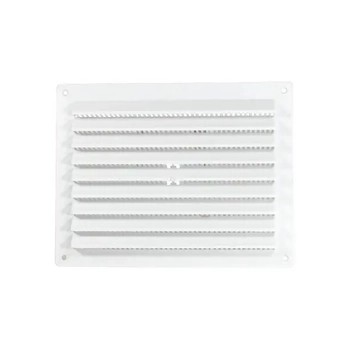
Choose boat ventilation by airflow type and mounting location so cabins, lockers and engine bays get the air exchange they need without letting water in.
Choosing ventilation for cabins, lockers and engine bays
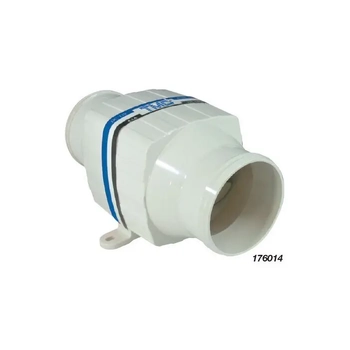
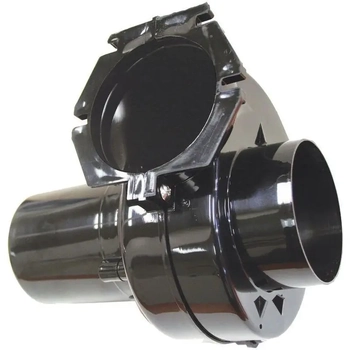
Boat ventilation manages airflow into enclosed spaces such as cabins, lockers, bilges and engine compartments, helping reduce condensation, musty odours and heat build-up. The right type depends on whether the space needs passive airflow, powered extraction, or simply a weatherproof opening that allows air movement while keeping rain and spray out.
Before adding boat ventilation systems to your setup, use the Deck Fills and Vents Guide to check deck-fill size, venting, hose compatibility and manufacturer guidance.
Passive vents work well for general cabin or locker ventilation in moderate climates, while powered fans suit engine bays or spaces with limited natural airflow. Cowl-style vents can be turned to face away from the wind and spray, which matters on more exposed deck positions.
Where ventilation fits into the wider boat
Ventilation often overlaps with other cabin openings compare wind scoops for directing airflow into open hatches, and hatches and portlights for openings that combine light, access and airflow. Inspection ports are a related but separate fitting, used for occasional access rather than ongoing airflow.
- Match vent type to whether the space needs passive or powered airflow.
- Check the vent is weatherproof for the mounting location and expected spray exposure.
- Consider cowl-style vents where directional control matters.
- Review wiring requirements before fitting powered extraction fans.
Frequently asked questions
Do I need powered ventilation or will passive vents work?
Passive vents suit general cabin or locker airflow in most conditions, while powered fans are better for engine bays or poorly ventilated spaces with limited natural air movement.
Will a vent let water into the boat?
Vents designed for marine use are built to allow airflow while limiting water ingress, but placement and orientation still matter, especially in exposed deck positions.
Can ventilation help reduce condensation below deck?
Improved airflow can help reduce condensation by allowing moist air to exchange with outside air, though the right balance depends on the space and local climate.
read more


