$189.91 $199.90
$9.99 off RRP of $199.90
$189.91 $199.90

$53.11 $55.90

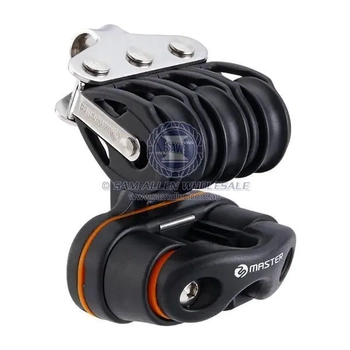
$130.10 $136.95
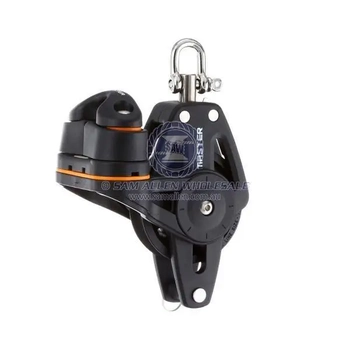
$134.33 $141.40
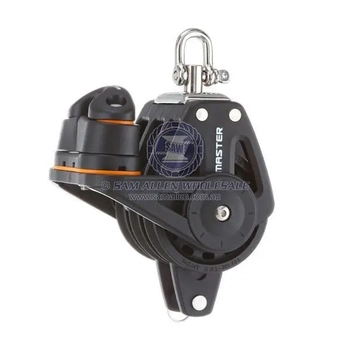
$249.52 $262.65
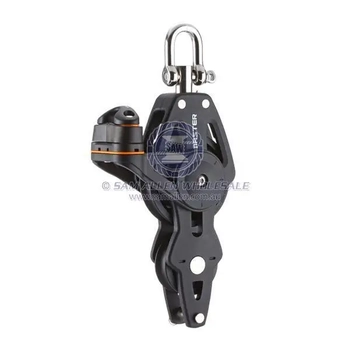
$515.90 $543.05

$524.78 $552.40
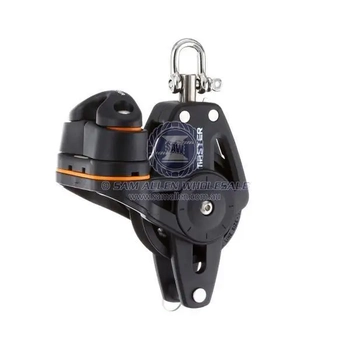
$115.62 $121.70
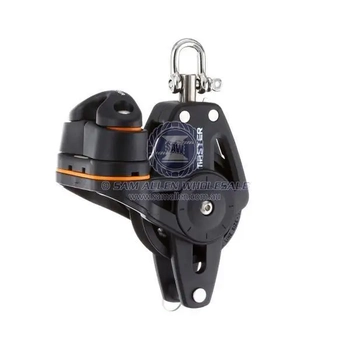
$163.12 $171.70
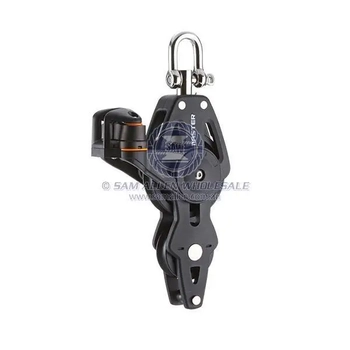
$213.80 $225.05
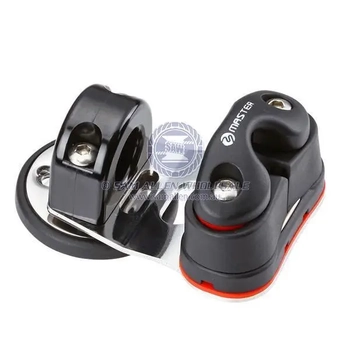
$153.28 $161.35
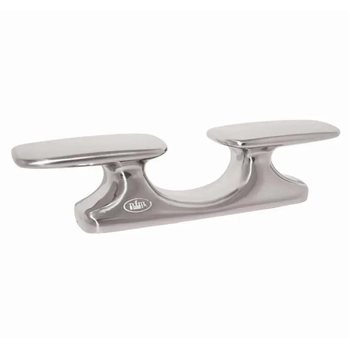
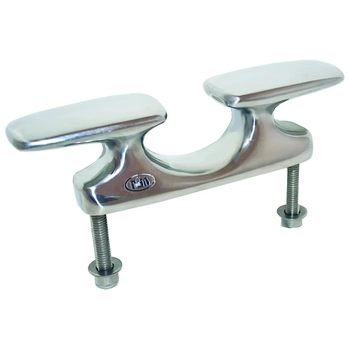
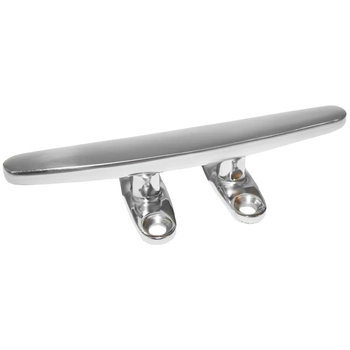
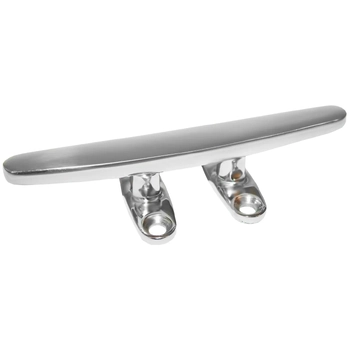
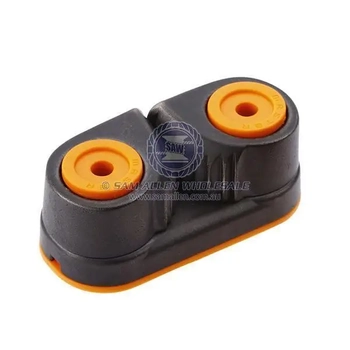
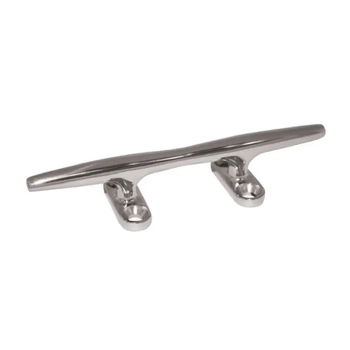
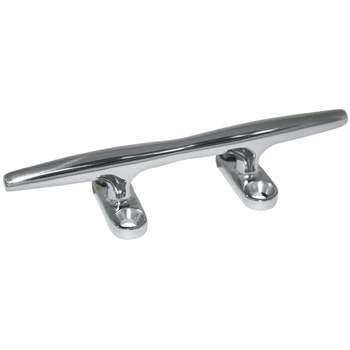
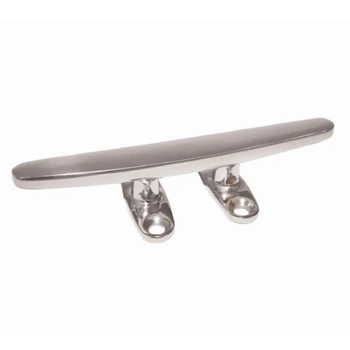
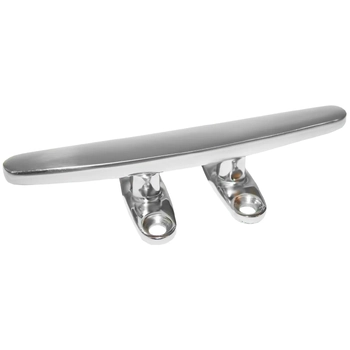
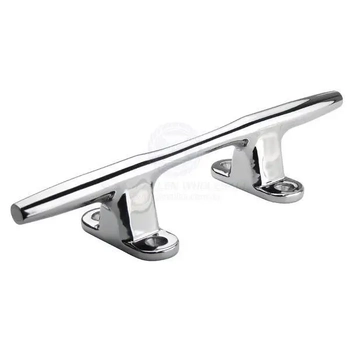
Boat cleats provide tie-off points for dock lines, fender lines and general deck line management. The right cleat depends on the boat size, line size, mounting surface, hardware style and intended use. Deck cleats should be selected with care because load, fasteners and backing support can vary by vessel and installation. Check product specifications and confirm fitment before replacing or adding cleats to your boat. This category supports buyers comparing replacement cleats, new tie-off points and related deck hardware for practical line handling.
Boat cleats come in different shapes, lengths, materials and mounting styles. A cleat used for a light fender line may not suit the same job as a cleat used for docking or mooring loads. Start by considering the line size, where the cleat will be positioned and whether the deck or gunwale structure can support the intended use.
For broader deck layout planning, review related boat deck hardware alongside cleats. Deck fittings often work together, especially where lines pass near fairleads, hawse pipes, rails or storage areas.
Stainless, nylon and other material options can suit different budgets and environments, but suitability depends on the product and the job. Check fastener spacing, overall length, mounting hole pattern and access to the underside of the deck. Use backing plates or suitable reinforcement where required by the installation and product guidance.
This category focuses on deck hardware cleats. If you are looking for docking and mooring line hardware in the mooring section, compare mooring cleats as well. Where lines need to pass cleanly through a deck or rail area, marine hawse pipes may also be relevant. For fuel or water access points near deck hardware, check deck fills separately.
Cleats can be simple parts, but the right selection matters. Check the cleat size, material, fasteners and installation layout before purchase, especially where the cleat may be used under load.
Cleat placement affects how easily lines can be handled. Consider whether the cleat will be used from the dock, from inside the boat or for a fender line that needs quick adjustment. A clear lead helps reduce awkward angles and chafe, while a poor position can make line handling harder even when the cleat itself is suitable.
Replacement cleats should also be checked against existing holes and fasteners. If the new cleat has a different hole pattern, the deck surface may need additional assessment before fitting. Confirm dimensions, mounting hardware requirements and backing access before purchase.
Cleats often work with more than one line on the boat. A side cleat may be used for a dock line one day and a fender line the next, so the size and position should make line handling practical. Consider how crew will reach the cleat from inside the boat and whether the line lead crosses other deck hardware.
If the boat is being set up for regular marina use, it is worth checking the full docking arrangement rather than replacing one cleat in isolation.
For replacement work, photograph the existing cleat and measure the fastener spacing before purchase. This makes it easier to compare product dimensions and avoid unexpected deck repairs.
Australian boat owners regularly use cleats at pontoons, jetties, marina berths and boat ramps. The exposure conditions in these environments, including salt air, UV and wet surfaces, make material choice an important part of the selection process. Products specified for marine exposure are worth comparing with standard hardware options, particularly for cleats used regularly in direct sun or wet conditions.
Where a boat moves between fresh and saltwater environments, consistent rinsing and occasional hardware checks can help identify early signs of corrosion or loosening fasteners. A cleat that is under repeated load benefits from a regular visual check, particularly at the mounting screws and backing area, where moisture can work into the structure over time if the seal is incomplete.
Match the cleat to the line size, mounting area, material preference and intended use. Check product dimensions and installation requirements.
There is no single material that suits every boat. Stainless, nylon and other options can suit different uses, budgets and exposure conditions.
Cleats are usually positioned where lines can lead fairly without chafe or awkward angles. Mounting suitability depends on deck layout and structure.
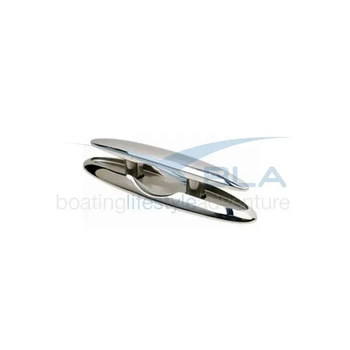
Folding cleats can reduce snag points on some boats, but suitability depends on dimensions, mounting style and intended line loads.
Check the hole pattern, cleat length, fastener size, backing access, deck condition and product specifications before replacing a cleat.
ABN: 99 423 721 756