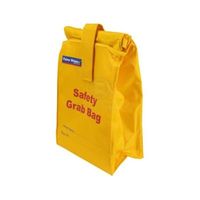
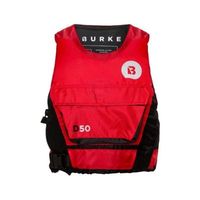
$5.61 off RRP of $112.15
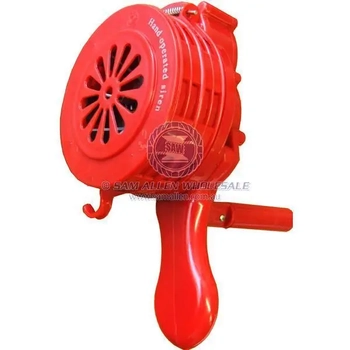
$97.66 $102.80
$187.29 $197.15
Marine safety equipment covers the items boat owners review before heading out, including lifejackets, fire safety gear, signalling, first aid and retrieval equipment. Requirements can vary by state, territory, vessel type, activity and waterway, so use this range as a starting point when comparing products. Check current local requirements and product specifications when updating safety gear. Review equipment condition before each trip and replace items that are expired, damaged or no longer suited to the intended activity. This helps keep the safety review practical, current and activity-specific.
Marine safety equipment should be reviewed by vessel type, activity, passenger needs, waterway and current local requirements. This range helps buyers move between major safety areas without assuming one list suits every boat.
Start with lifejackets and PFDs, then review marine fire safety gear, retrieval equipment such as marine life buoys and activity-specific sailing safety tethers. Product standards, sizing, servicing and storage requirements should be checked before purchase.
Safety equipment that is beyond its service date, damaged or no longer suitable for the intended activity may not perform as needed. Lifejackets, flares, fire extinguishers and other safety items typically have service or replacement intervals. Checking these items before a season starts, or before a long trip, is more useful than discovering a problem at the ramp. Keep a simple inventory of safety equipment including purchase date, service interval and last inspection, and replace items according to the product guidance rather than waiting until a problem is obvious.
Safety equipment requirements vary by state, territory, vessel type, waterway and activity. The following links connect to the relevant marine safety authority for each jurisdiction check the current rules for your area before heading out.
Review lifejackets, PFDs, fire safety gear, signalling, first aid, retrieval equipment and the requirements for your activity.
Yes. Requirements can vary by state, territory, vessel type, waterway and activity, so check current local rules.
Choose by buoyancy level, activity, wearer size and conditions. Check the product information and relevant local requirements.
Check expiry dates, service intervals, condition, accessibility and whether equipment remains suitable for the boat and activity.
Start with the vessel type, intended waterway and passengers, then review local requirements and product specifications.
ABN: 99 423 721 756