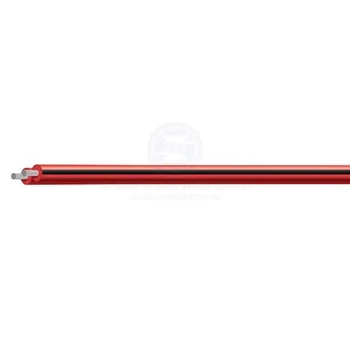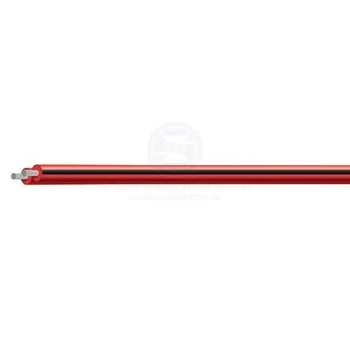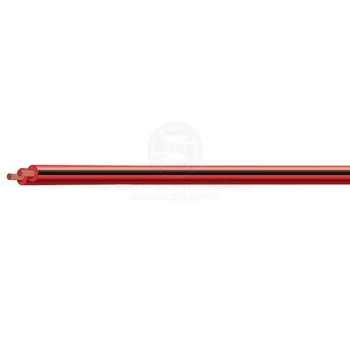
$2.98 off RRP of $59.65

Free Shipping over $499*

Huge Range

Zip & Afterpay Available

Over 100+ Brands


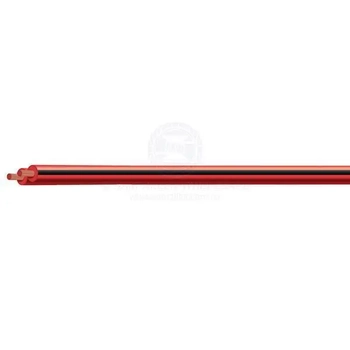
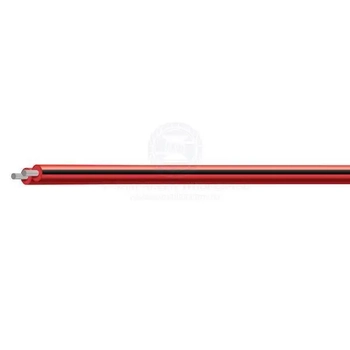
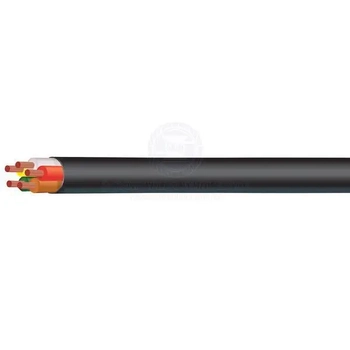
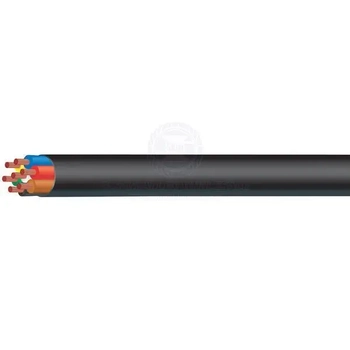
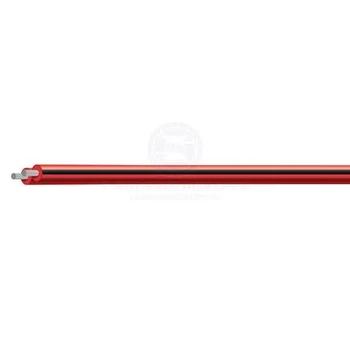
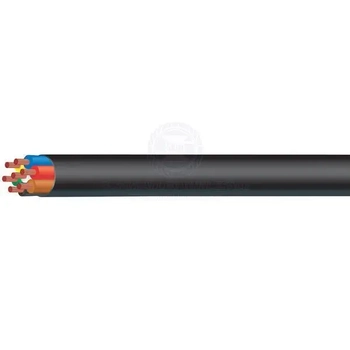
Marine electrical wire is selected for boat wiring projects where cable size, insulation, routing environment and the connected load all matter. Use this category when planning wiring for lights, pumps, electronics, switches or other accessories, then confirm the correct cable type and size against the system requirements before purchase. Marine environments can involve vibration, moisture, confined routing and salt air exposure, so product specifications should be checked carefully. Plan wire runs with protection, support and future inspection access in mind, and use a qualified installer where required for electrical work.
Boat wiring should be planned around the circuit purpose, current draw, cable run length and the installation environment. A cable that suits a short interior lighting circuit may not be the right choice for a long run to a bilge pump in a wet, confined space. Broader marine electrical equipment covers related components switches, terminals, connectors and mounting hardware that may be needed when building or refreshing a system.
If you are matching marine electrical wire with related gear, the Marine Wire, Bus Bar and Terminal Block Guide explains wire type, termination, circuit layout and manufacturer guidance.
Do not choose wire only by colour or outside diameter. Check the conductor material, strand count, insulation type and current rating against the load and route before purchasing. Different insulation ratings suit different temperature and moisture exposures within the vessel.
Wire size affects both safety and performance. Undersized cable for the current draw causes unwanted voltage drop and can create heat build-up even with fuse protection in place. Check the expected current load and the total cable run length before selecting a wire gauge manufacturer guidance or a qualified installer can help confirm the correct size for the application.
Circuit protection should be matched alongside the wire. Review suitable marine fuses and circuit breakers to confirm the protection rating suits the cable and connected load. Accessories may also require compatible marine switches, terminals and connectors selected for the current rating and installation environment.
Good wiring planning considers the full circuit path from the battery or supply source, through protection, switches, cable runs and to the connected load. Voltage drop over long runs is a practical concern on larger boats where cable routes are extended. If the circuit powers lighting, pumps or electronics across a significant distance, check voltage drop calculations before finalising the cable size.
For lighting projects, related marine lighting may help plan the connected load alongside the wire selection. Battery supply and switching should also be considered when planning new or extended circuits.
Cable routing affects how well the finished wiring can be inspected and serviced later. Avoid routes where wiring may rub on sharp edges, sit in standing water, contact hot surfaces or be difficult to reach. Where cables pass through bulkheads, panels or compartments, confirm whether grommets, conduit, heat shrink, cable ties or other support products are appropriate for the installation.
Electrical wire selection should be treated as part of the full circuit design. Where ratings, battery connections, distribution panels or fault diagnosis are involved, use a qualified marine electrician. Careful planning avoids buying cable that is too small, poorly suited to the environment or difficult to terminate correctly with the selected protection and switching hardware.
Marine wire is generally chosen for boat environments where moisture, vibration, salt air and confined routing are factors. Check conductor type, strand count, insulation material and current rating in the product specifications to confirm suitability for the intended application and location.
Wire size depends on current draw, cable run length, voltage and the connected equipment. Undersized wire causes voltage drop and heat build-up. Use manufacturer guidance or consult a qualified installer to confirm the correct gauge for each circuit before purchase.
Boat circuits commonly use fuses or circuit breakers, but the correct rating and placement depend on the system design, cable size and equipment specifications. Protection should be matched to both the wire and the load check product specifications and follow manufacturer guidance.
Marine electrical wire may be used for suitable boat circuits when the cable gauge, insulation and current rating match the load, run length, environment and application. Confirm product specifications for each circuit before purchase.
Use a qualified installer for new circuits, battery connections, distribution panels or any wiring work where circuit ratings, protection requirements or fault diagnosis are uncertain. Following manufacturer instructions and using qualified help where required reduces the risk of incorrectly sized or installed wiring.
ABN: 99 423 721 756