
$73.10 $76.95
$3.85 off RRP of $76.95

Free Shipping over $499*

Huge Range

Zip & Afterpay Available

Over 100+ Brands


175mm
(1)
2 x Clamps 4 x Bolts
(1)
218mm
(1)
250mm
(1)
290mm Orange - Black Tip
(1)
290mm White - Black Tip
(1)
290mm White - Blue Tip
(1)
300mm
(1)
310mm
(1)
340mm Orange - Black Tip
(1)
340mm White - Black Tip
(1)
340mm White - Blue Tip
(1)
460mm Orange - Black Tip
(1)
460mm White - Black Tip
(1)
460mm White - Blue Tip
(1)
490mm x 180mm
(1)
560mm Orange - Black Tip
(1)
560mm White - Black Tip
(1)
560mm White - Blue Tip
(1)
620mm Orange - Black Tip
(1)
620mm White - Black Tip
(1)
620mm White - Blue Tip
(1)
655mm x 310mm
(1)
850mm Orange - Black Tip
(1)
850mm White - Black Tip
(1)
A1 290 x 370mm Black
(1)
A1 290 x 370mm Navy
(1)
A2 390 x 490mm Black
(1)
A2 390 x 490mm Navy
(1)
A3 470 x 590mm Black
(1)
A3 470 x 590mm Navy
(1)
A4 550 x 710mm Black
(1)
A4 550 x 710mm Navy
(1)
A5 700 x 920mm Black
(1)
A5 700 x 920mm Navy
(1)
A6 860 x 1180mm Black
(1)
A6 860 x 1180mm Navy
(1)
F1 610mm Black
(1)
F2 620mm Black
(1)
F2 620mm White - Blue Tip
(1)
F3 750mm Black
(1)
F4 1060mm White - Black Tip
(1)
F4 750mm White - Black Tip
(1)
F5 770mm White - Black Tip
(1)
F6 1090mm Black
(1)
F6 1090mm White - Black Tip
(1)
F6 1090mm White - Blue Tip
(1)
F7 1250mm White - Black Tip
(1)
F7 1250mm White - Blue Tip
(1)
Stainless Steel Pole
(1)
760mm
(1)
600mm Pink - Foam
(1)
600mm Red - Foam
(1)
600mm Yellow - Foam
(1)
600 x 200mm
(1)
600mm
(1)
375mm Red - Foam
(1)
375mm Red - Hollow Eye
(1)
375mm Yellow - Foam
(1)
375mm Yellow - Hollow Eye
(1)
300 x 150mm
(1)
300mm
(1)
250mm Pink - Hollow Eye
(1)
250mm Red - Foam
(1)
250mm Red - Hollow Eye
(1)
250mm Yellow - Foam
(1)
250mm
(1)
230 x 115mm
(1)
225mm
(1)
208mm
(1)
200mm Yellow - Hollow Eye
(1)
200mm
(1)
190mm
(1)
$73.10 $76.95
$57.90

$36.35
$124.02 $130.55
$99.70 $104.95
$17.80
$150.39 $158.30
$60.71 $63.90
$60.71 $63.90
$70.35 $74.05
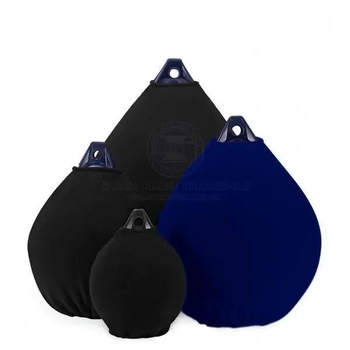
$129.49 $136.30
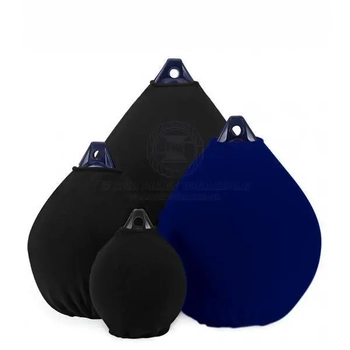
$129.49 $136.30
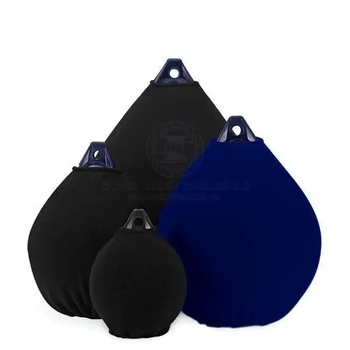
$146.21 $153.90
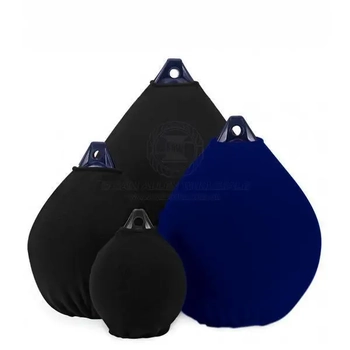
$146.21 $153.90
$198.27 $208.70
$258.97 $272.60
$83.55 $87.95
$107.30 $112.95
$99.70 $104.95
$123.45 $129.95
$88.30 $92.95
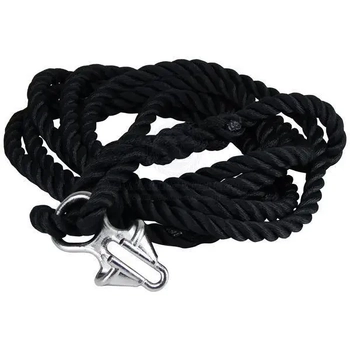
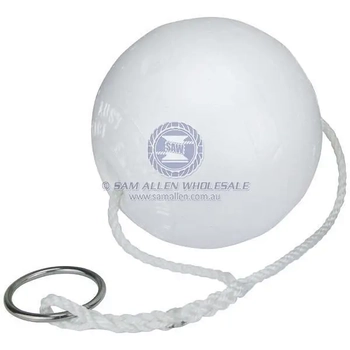
Boat mooring equipment covers the practical gear used to tie off, dock, handle and protect a vessel at a marina, pontoon, jetty or swing mooring. The right setup depends on boat size, berth layout, line angles, wind exposure and how often the boat is left unattended. Compare lines, hooks, cleats, fenders, buoys and related fittings before replacing or upgrading your mooring gear.
Mooring and docking gear is not a single product choice. It is a system of lines, fittings, handling tools and protection items that should work together. A small trailer boat that visits a ramp or pontoon occasionally needs a different setup from a yacht or cruiser left in a berth. Start with the boat size, freeboard, usual tying points and whether the vessel is normally handled by one person or a crew.
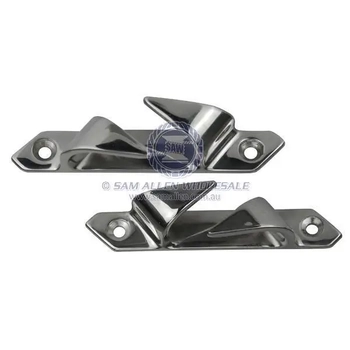
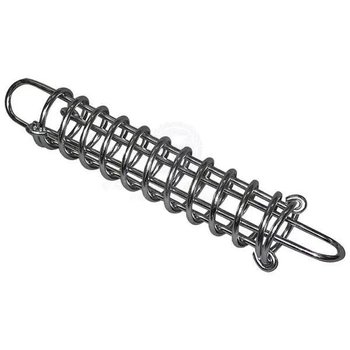
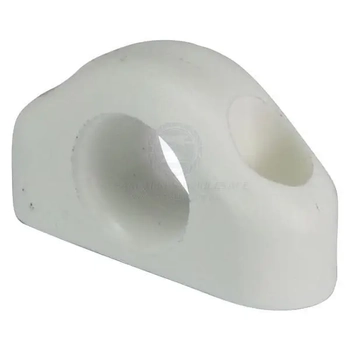
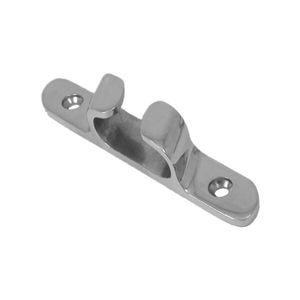
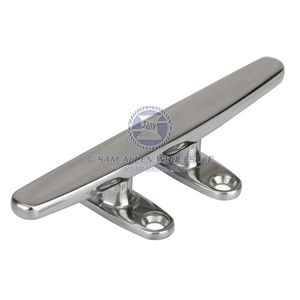
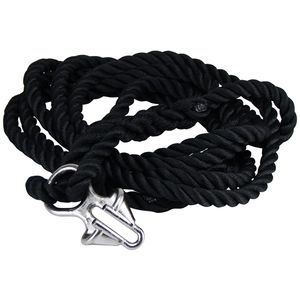
Lines and tie-off points are the foundation. Correctly sized mooring and dock lines make handling easier, while boat cleats and fairleads help guide and secure the load where fitted correctly. If the boat is exposed to wash or surge, check whether springs and snubbers suit the setup and follow the manufacturer guidance for sizing and installation.
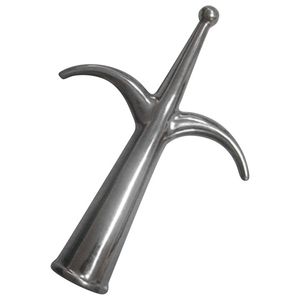
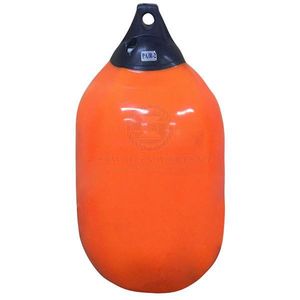
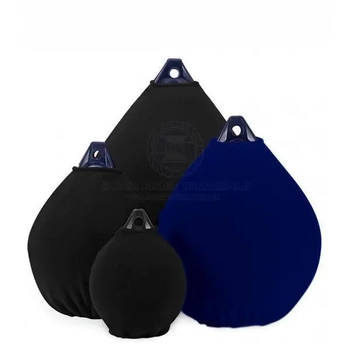
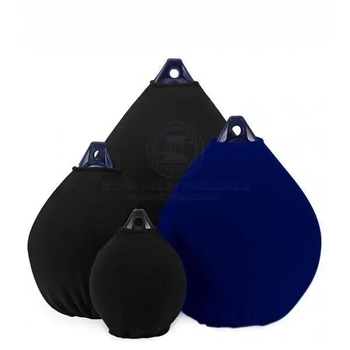
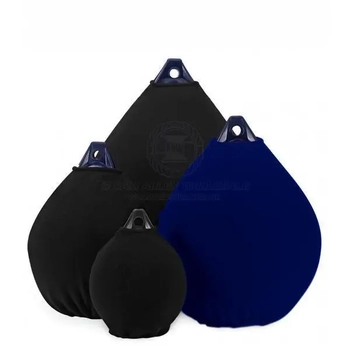
Docking is easier when the right gear is accessible before arrival. A reliable boat hook can help catch a line, fend off gently or reach a pontoon cleat without leaning too far over the side. Boat fenders help manage contact with piles, floating docks and nearby boats, but they need to be sized and positioned for the hull and berth.
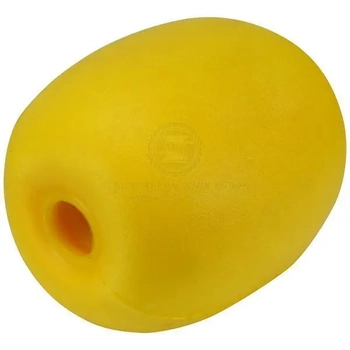
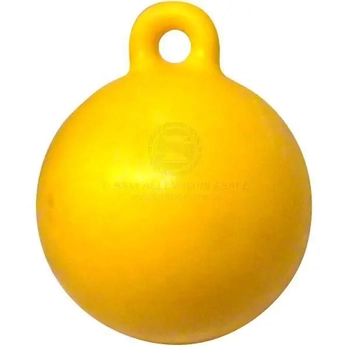
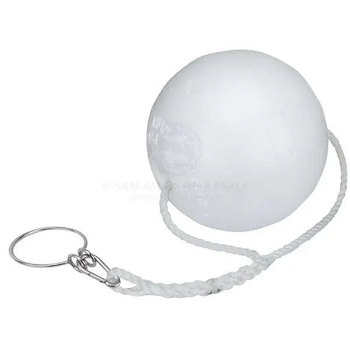
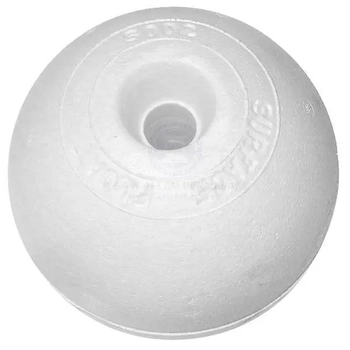
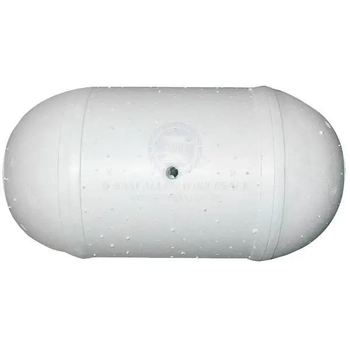
For permanent or semi-permanent moorings, mooring buoys and clearly arranged lines can make inspection and retrieval easier. If birds are regularly fouling rails or covers around the berth, the boat bird scarers category may also be worth checking. Every berth is different, so the final selection should consider hardware condition, line angle, tidal movement and how the boat will be accessed.
Check line diameter, breaking-load guidance, fitting size, berth hardware and manufacturer specifications before purchase. Where the boat is kept in exposed conditions or tied off for long periods, seek appropriate local advice and inspect mooring gear regularly for wear, chafe, corrosion and UV damage.
Most setups use a combination of mooring lines, fenders, tie-off hardware and handling tools. The right mix depends on boat size, berth layout, exposure and how the boat is stored.
The terms are often used together. Dock lines usually refer to lines used at a berth or jetty, while mooring lines can also describe lines used for longer-term mooring arrangements.
Start with boat size, freeboard, tie-off points, local exposure and the type of berth. Check product specifications and use experienced advice for exposed or permanent mooring arrangements.
ABN: 99 423 721 756